



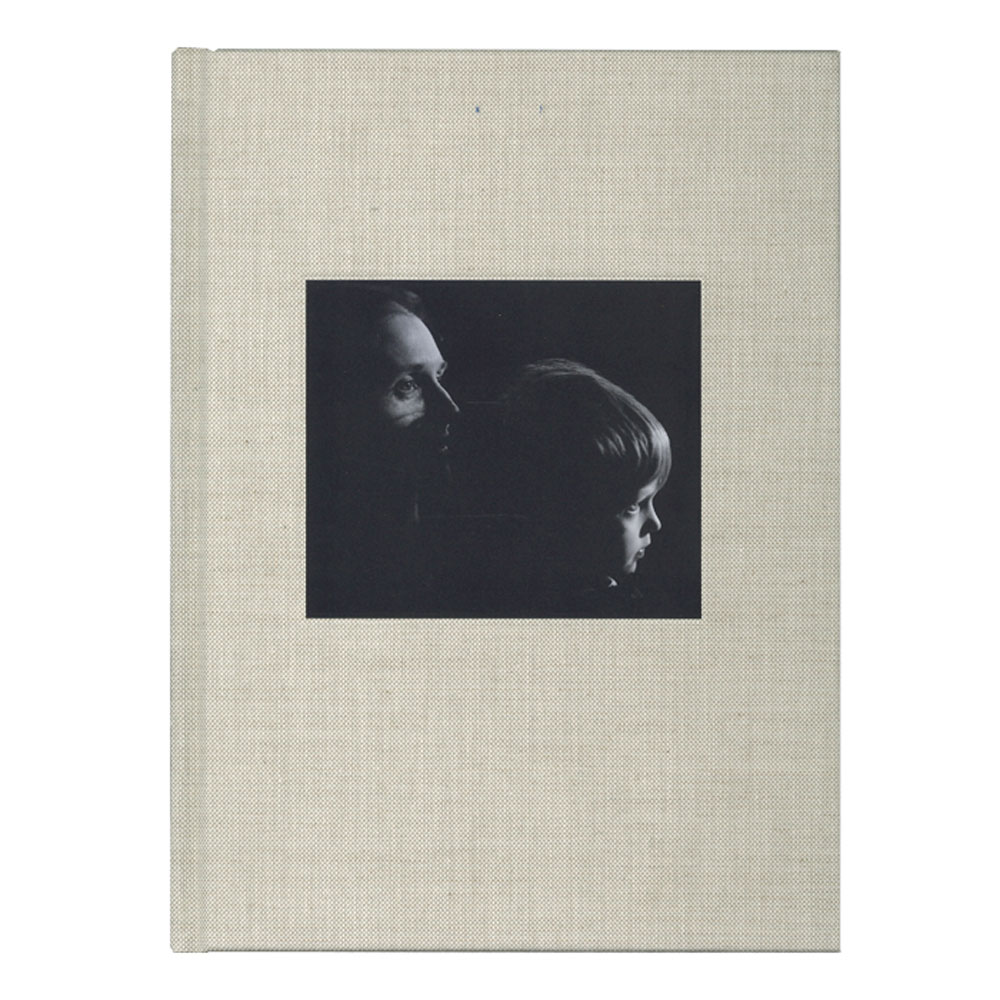
Joey Judita Abrait: Book of Sorrow
€36
Keyword: 21st century, Lithuania, Central Eastern Europe, Soviet occupation, Swedish-Lithuanian photographer
Size: 184 x 250 mm Pages: 120 Format: hardcover Language: Lithuanian/English Illustration: 57 color and b/w Editor: Gösta Flemming, Joey Judita Abrait Text: Aurimas Svedas, Joey Judita Abrait Translation to English: Karla Gruodis Book design: Gösta Flemming Printing: Narayana Press Publisher: Journal Pub Year: 2022 Weight: 667 gr ISBN: 9789187939648Description
Article no.: 9789187939648
One of the five nominated books for the Swedish Photo Book award 2023
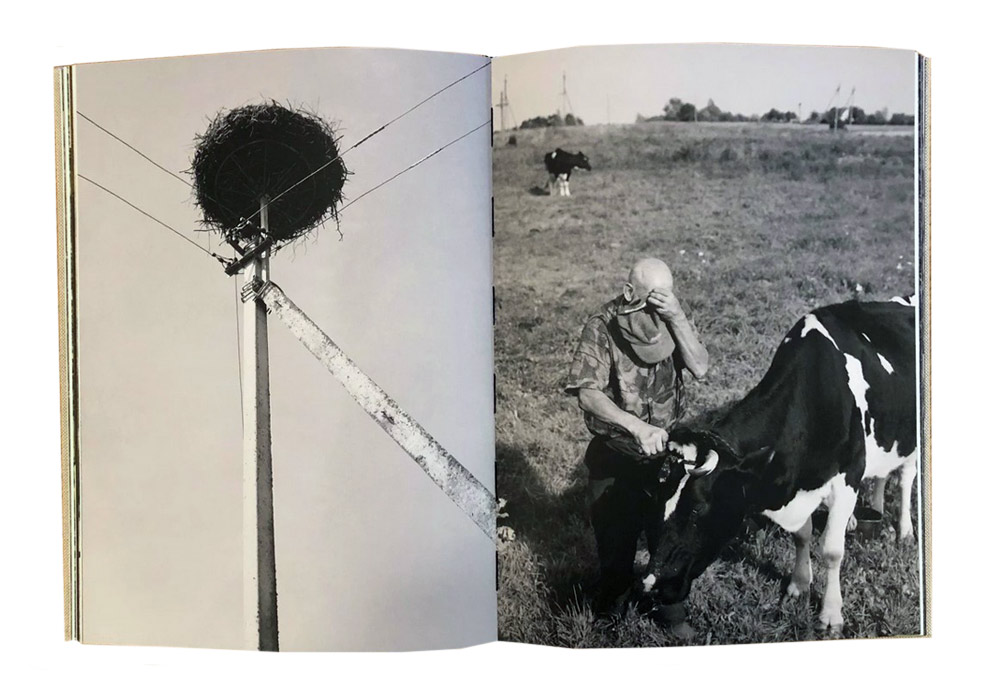
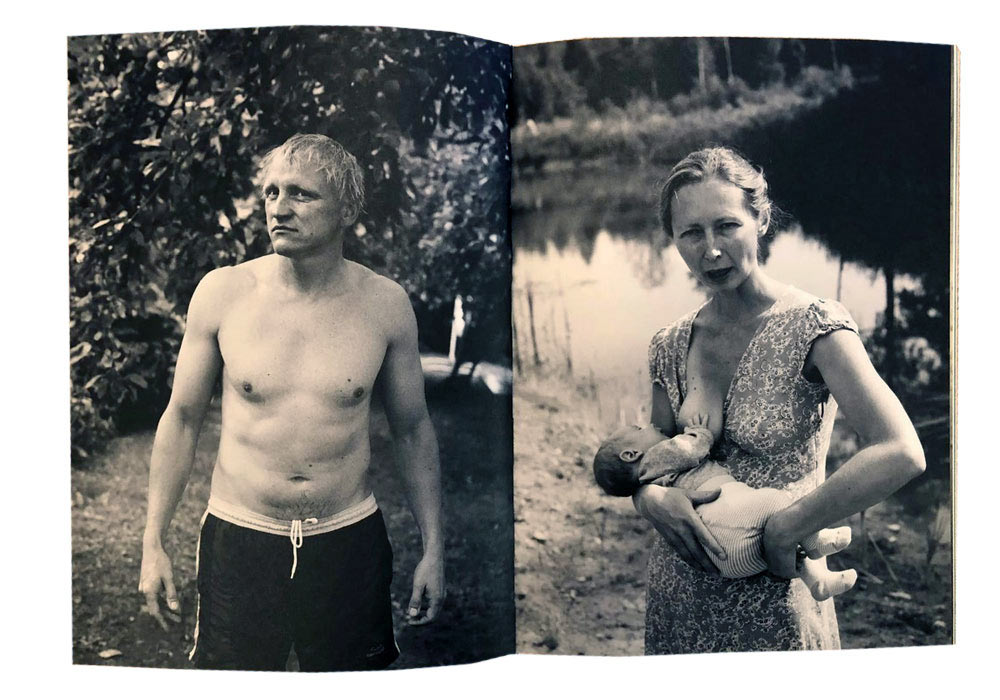
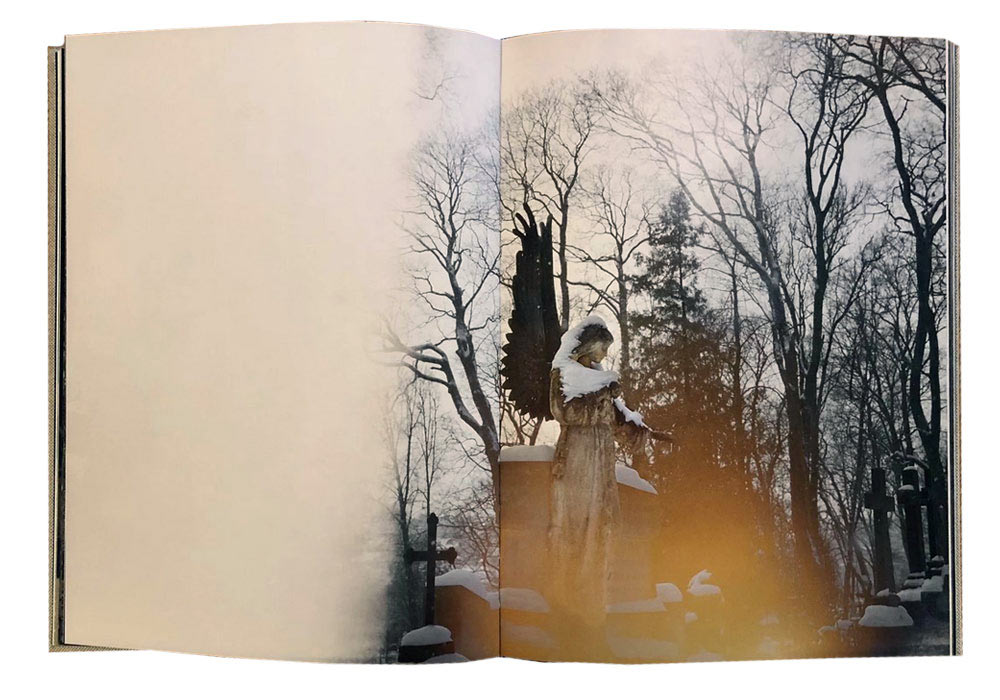
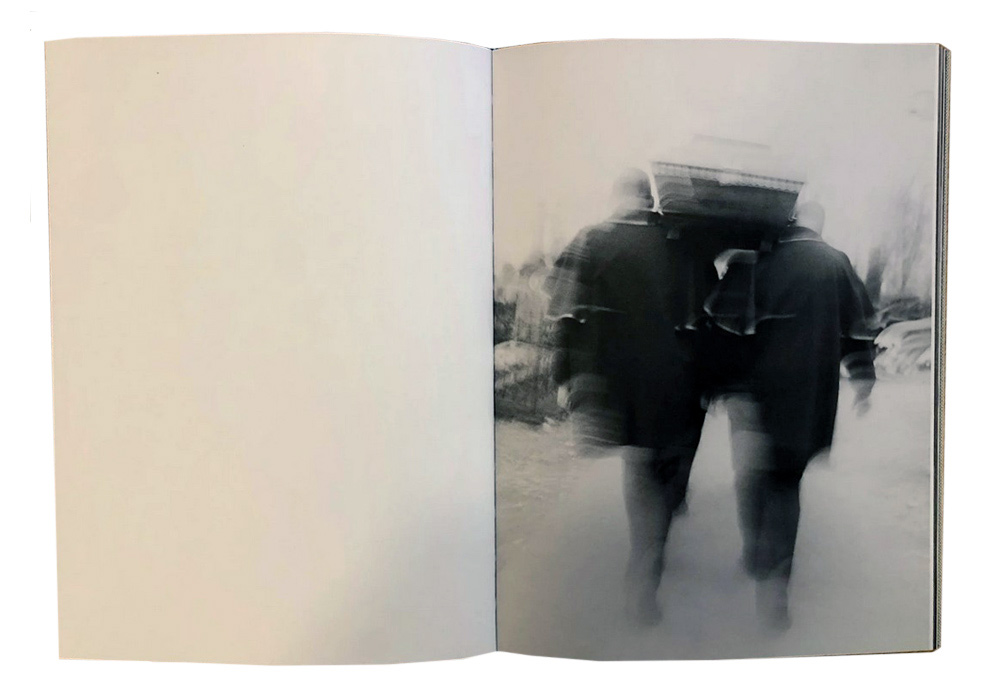
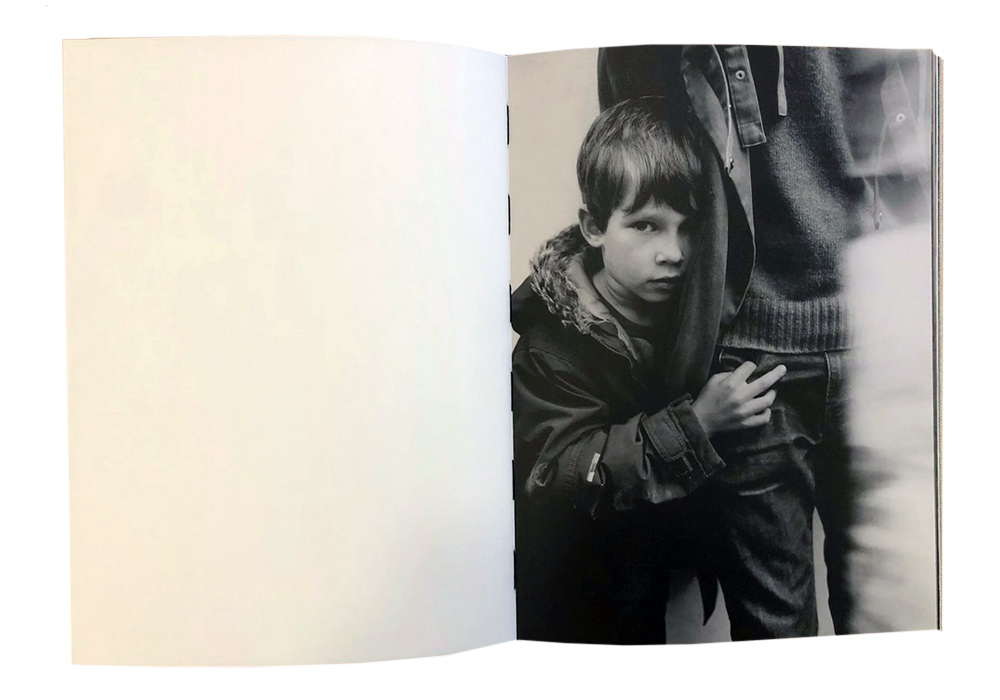
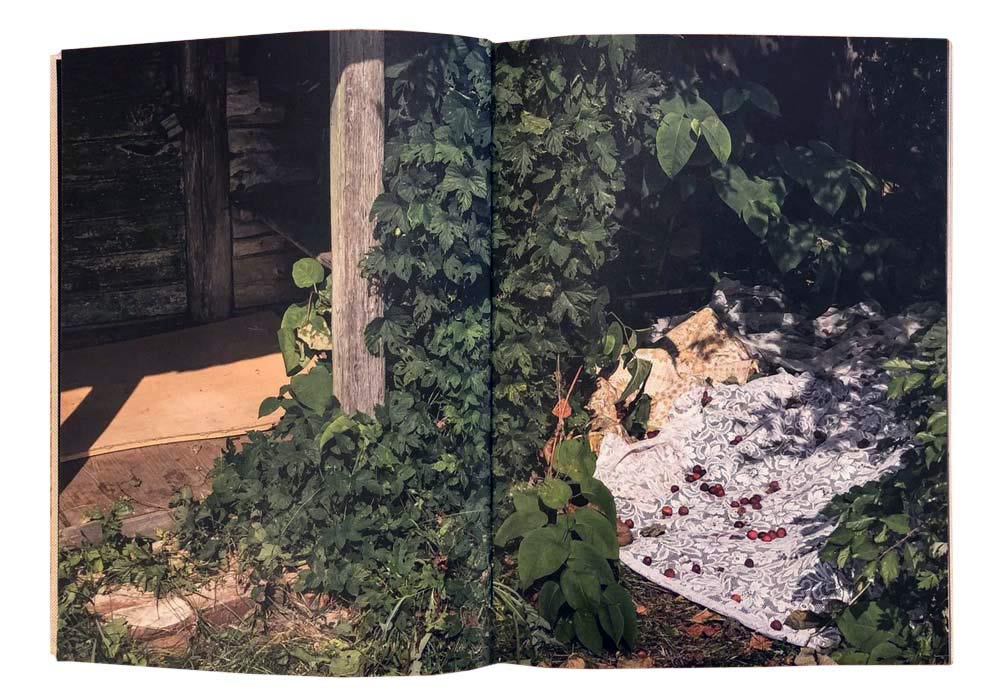
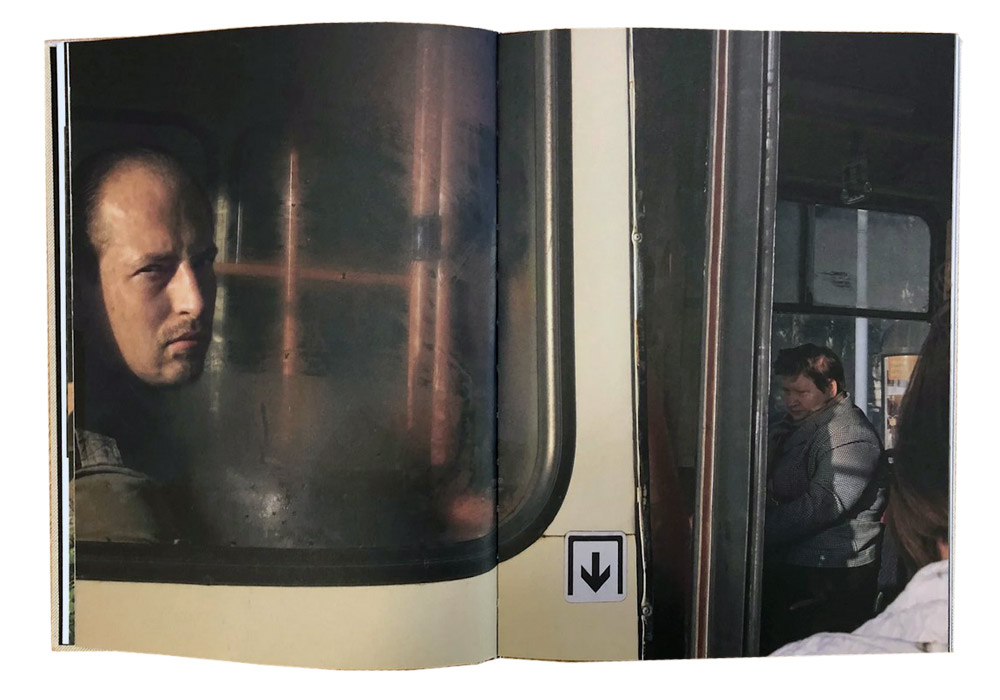
Abrait's first monograph portrays people and places in post-Soviet Lithuania.
From the publisher:
“We are stories. We tell them to create and express ourselves. What kinds of stories do Central Eastern Europeans living in Lithuania tell?
As a rule, their narratives are dramatic and tinged with melancholy. That is how people in this part of Europe pass an important piece of knowledge from one generation to the next: that this is a land frequently battered by historical storms that easily toss people about like sailboats in an angry sea capable of breaking or drowning the lives of individuals, societies, and states.
Indeed, if the last century, often referred to as an age of horrors and extremes, showed that such storms can psychologically traumatise, physically cripple, or even kill practically virtually any European, this is even more true for those living in what American historian Timothy Snyder refers to as the continent’s “bloodlands”.
Lithuania is positioned at the very epicentre of these “bloodlands”. And that is why Lithuanians, who between 1914 and 1990 survived two world wars, the creation of an independent state in 1918 and its dissolution barely two decades later in 1940, the sequence of Soviet, Nazi, and then again Soviet occupations, the Holocaust, Stalin’s repressions and deportations, an anti-Soviet partisan war and that regime’s cruel reckonings with the fighters for freedom, myriad forms of psychological violence in everyday life, periods of economic upheaval and scarcity often describe their existence and experience using two words: “feeling unsafe”. This feeling is written into my parents’ and grandparents’ body language, their sighs, their glances and silences.