





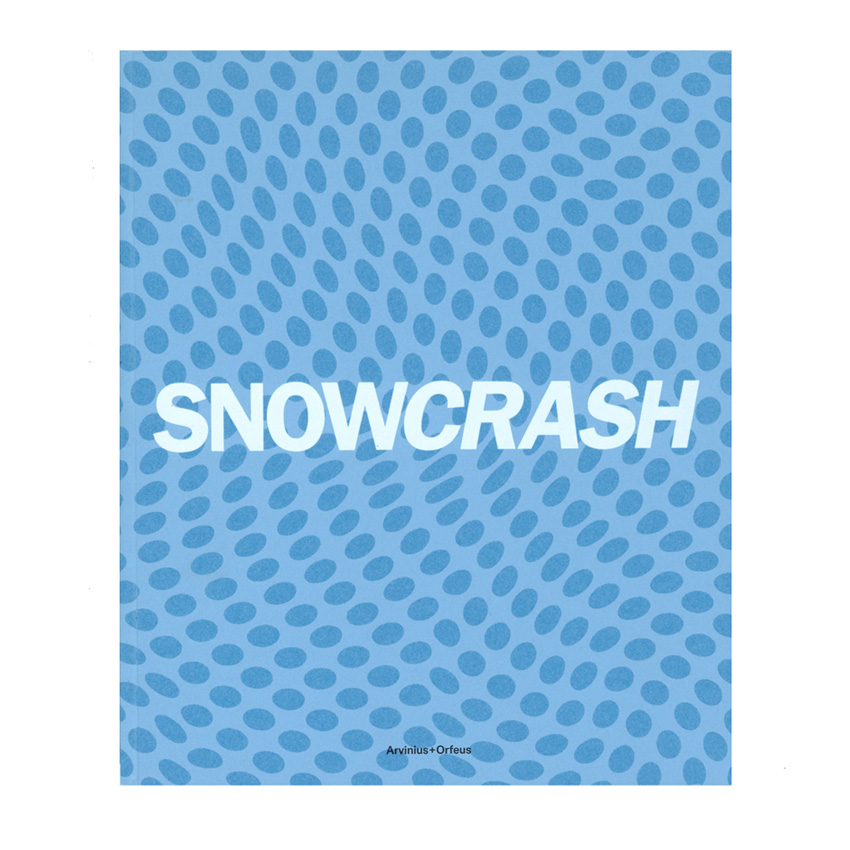
Snowcrash 1997-2003
€35
Keyword: 1997-2003, design, technology, furniture, lighting, Proventus Design, Finnish-Swedish design company
Subtitle: The Untold Story Of Snowcrash Size: 220 x 240 mm Pages: 206 Format: softcover Language: English Illustration: richly illustrated Editor: Ilkka Suppanen Introduction: Jane Withers Author: Gustaf Kjellin Book design: Fredrik Bohman, Gustaf Kjellin Printing: Livonia Publisher: Arvinius + Orfeus Pub Year: 2021 Weight: 828 gr ISBN 13: 9789189270107Exhibition: Nationalmuseum, Stockholm 2021
Description
Article no.: 9789189270107
Joining forces: Finland meets Sweden; art meets design; techology meets crafts.
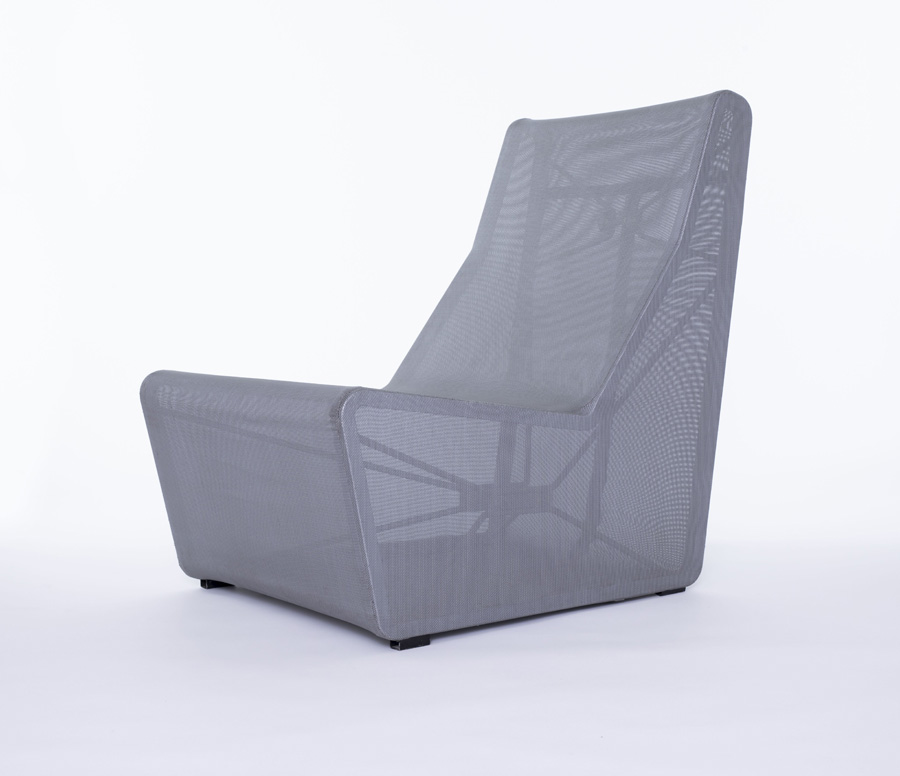
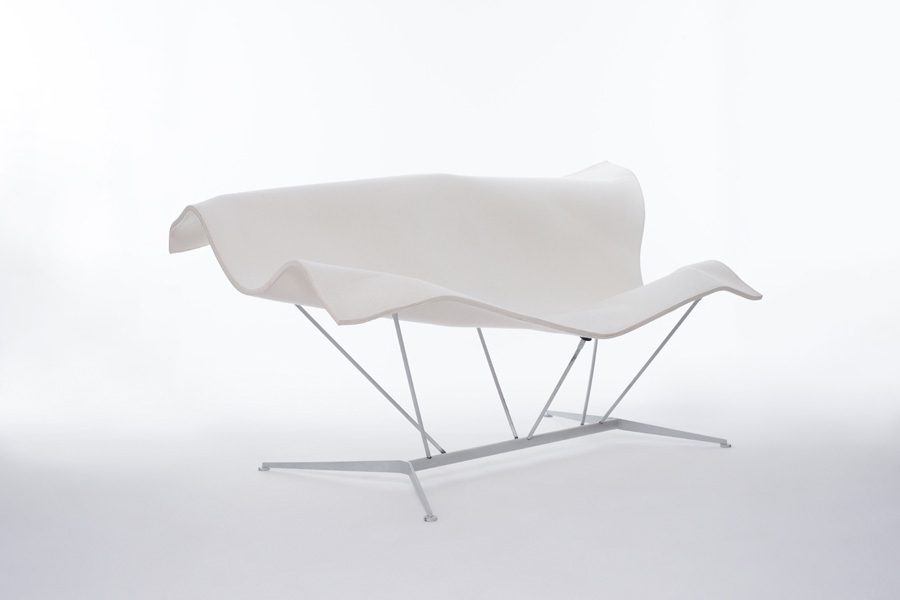
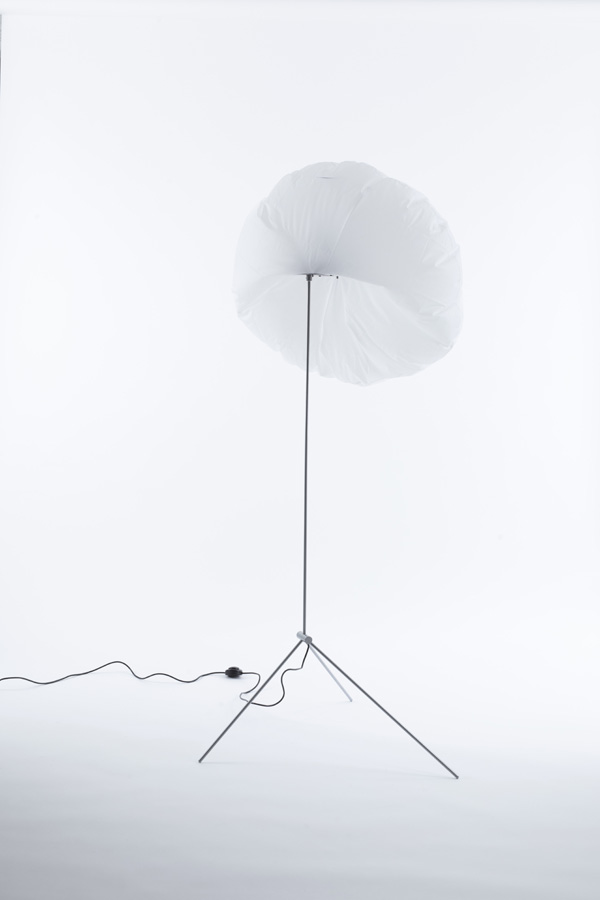
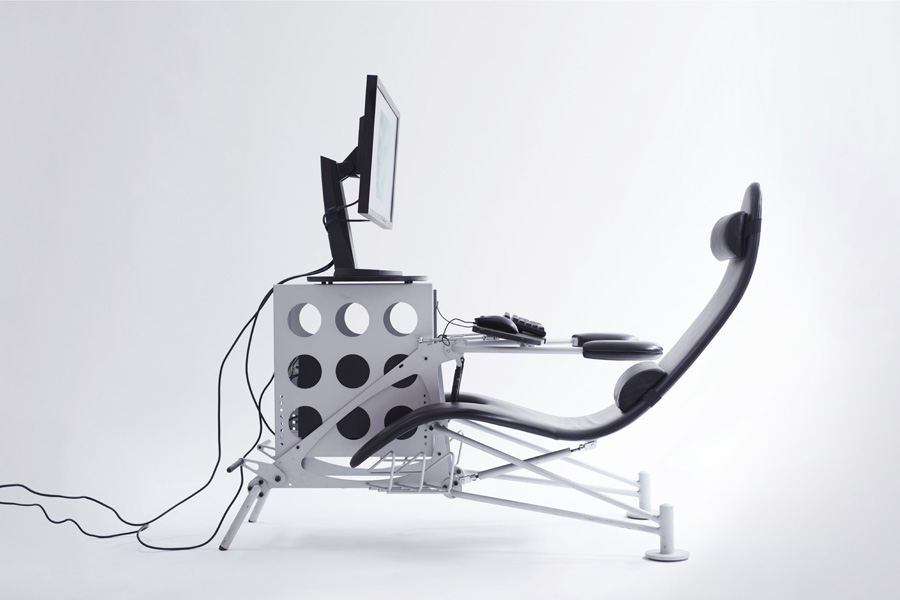
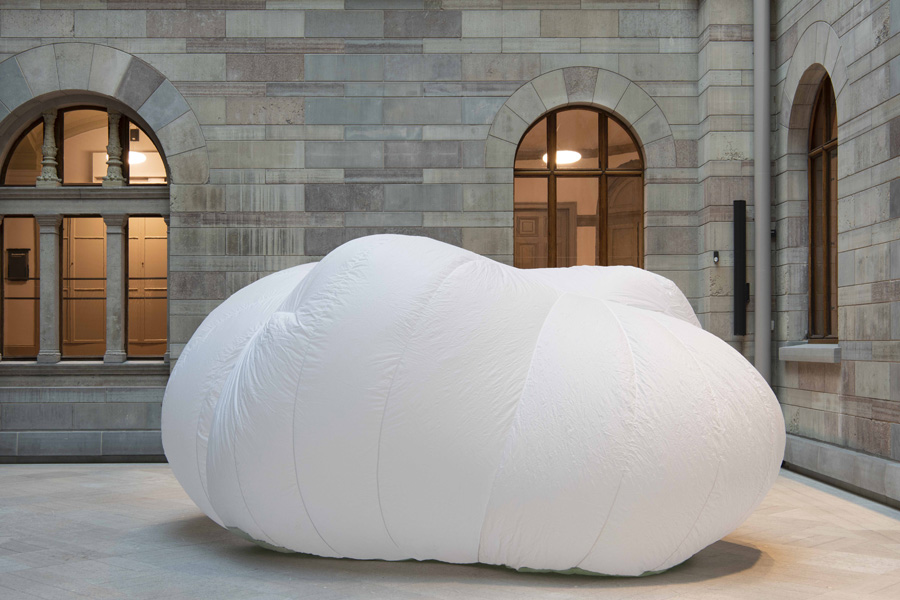
The groundbreaking design company Snowcrash produced 49 products – from Teppo Asikainen and Ilkka Terho's office furniture Netsurfer to Monica Förster's portable environment Cloud – all pushing the boundaries of design, driven and influenced by the new IT-era of the 1990s.
From the publisher:
At the end of the 1990s, Finland and Sweden moved out of a deep recession to become the driving forces behind information technology, and Nokia (FI) and Ericsson (SE) were the first and third largest mobile phone manufacturers in the world.
In this climate, a group of likeminded Finnish architects and designers in 1997, decided to make an exhibition during the designweek in Milan, and they called it Snowcrash. Their designs were worlds apart from what people expected to come out of the north, and it was unanimously hailed in the press, prompting a journalist at Domus magazine to write “These refreshing, stormy alternatives are like acid snow on the calm commercial world of the official fair.”
The year after, Snowcrash was bought by the Swedish company Proventus Design that was based in Stockholm – which also owned the Finnish furniture company Artek and Swedish textile company Kinnasand. In a time when nobody knew where internet would take us, the international artists and designers that gradually were tied to Snowcrash, looked towards the future with great optimism.
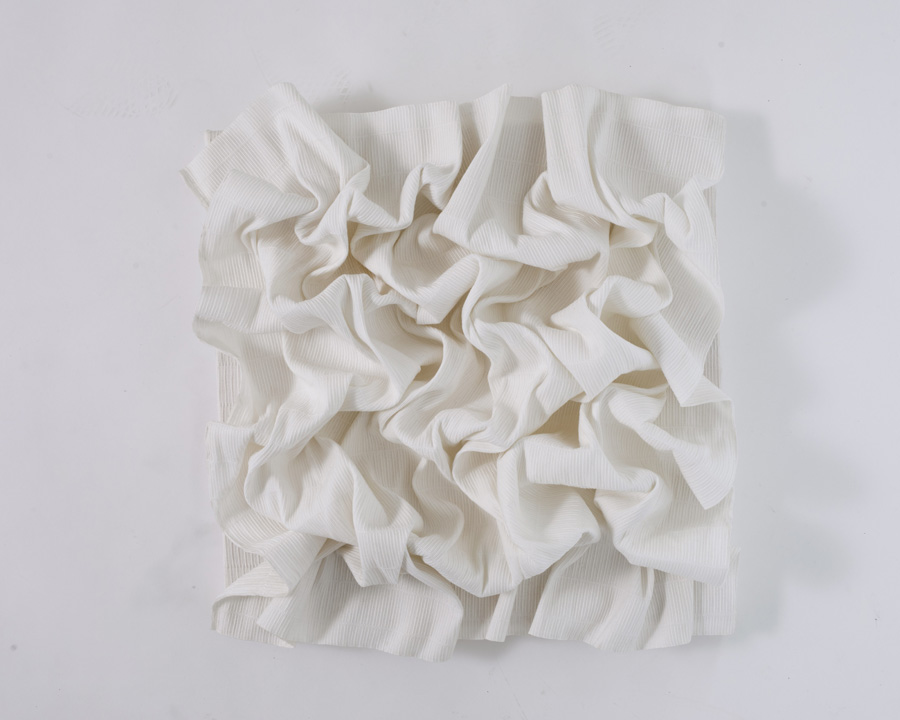
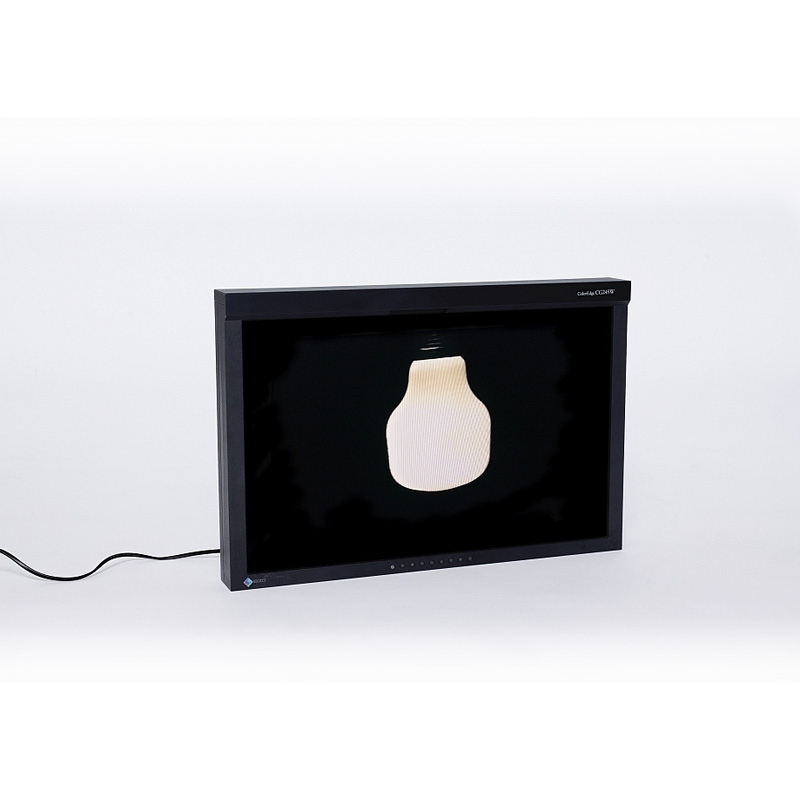
Experiments in electronic hard- and software, natural and synthetic fibers – resulted in objects that adressed new work- and lifestyles in a rapidly digitalised society. However, despite the immense success in the media, Snowcrash had to be put on ice after only four years. Without any coherent documentation, Snowcrash gradually turned into a folk tale within the international design community. What was made, who was involved, why did they not make it? These are questions that has lingered ever since.
A new book finally gives the answers, and in the process, broadens the Scandinavian Design narrative and offer a flashback to a time when the digital society that we now live in, was being founded.