




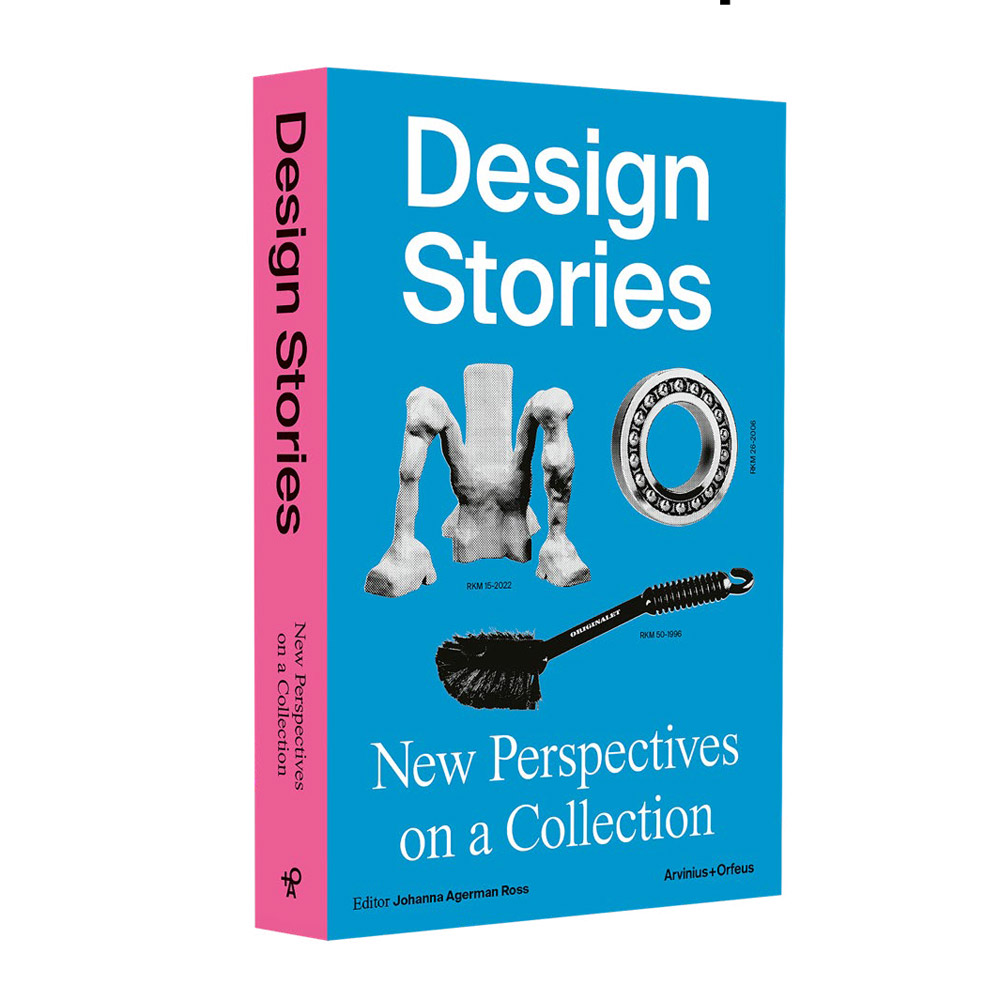
Design Stories: New Perspectives on a Collection
€39
Keyword: 1850s-2020s, museum collection, design, society, culture, craft, interior, globalism, Röhsska museet
Size: 160×240 mmPages: 375
Format: softcover
Language: English
Illustration: in colour and b/w
Editor: Johanna Agerman Ross
Preface: Nina Due Text: Johanna Agerman Ross, Hanna Nova Beatrice, Michael S Bekele, Olivia Berkowicz, Thomas Cubbin, Per Dahlström, Johan Deurell, Anna Flogård, Lia Forslund, Gunvor Guttorm, Dan Hill, Love Jönsson, Natalie Kane, Josefin Kilner, Madelaine Levy, Frida Lundmark, Birgitta Martinius, Alexandra Nyman, Johan Redström, Oli Stratford, Alexander Söder, Maria Vatne Jansson, Oscar Vilhelmsson, Christina Zetterlund
Book design: Agga Stage, Alexander Söder, Linn Henrichson
Printing: Livonia
Publisher: Arvinius + Orfeus Publishing
Year: 2024
Weight: 916 gr
ISBN: 9789189270671
Exhibition: Röhsska Museet, Göteborg 2024 (new permanent exhibition 2024)
Description
Article no.: 9789189270671
This comprehensive and generous book offers a wide range of perspectives and reflections on design.
From the publisher:
What is design and what difference can it make in our lives? The traditional perspective of the Global North is that design shapes things to make them more attractive to consumers, easier to manufacture and use, and to generate market value. However, it is just as much a matter of creation linked to change – a way to protest against injustices, or to comment on the current social order. How design is understood, practised and consumed affects the possibility of challenging dominant power structures, which over time have themselves determined what design is, could be and should be.
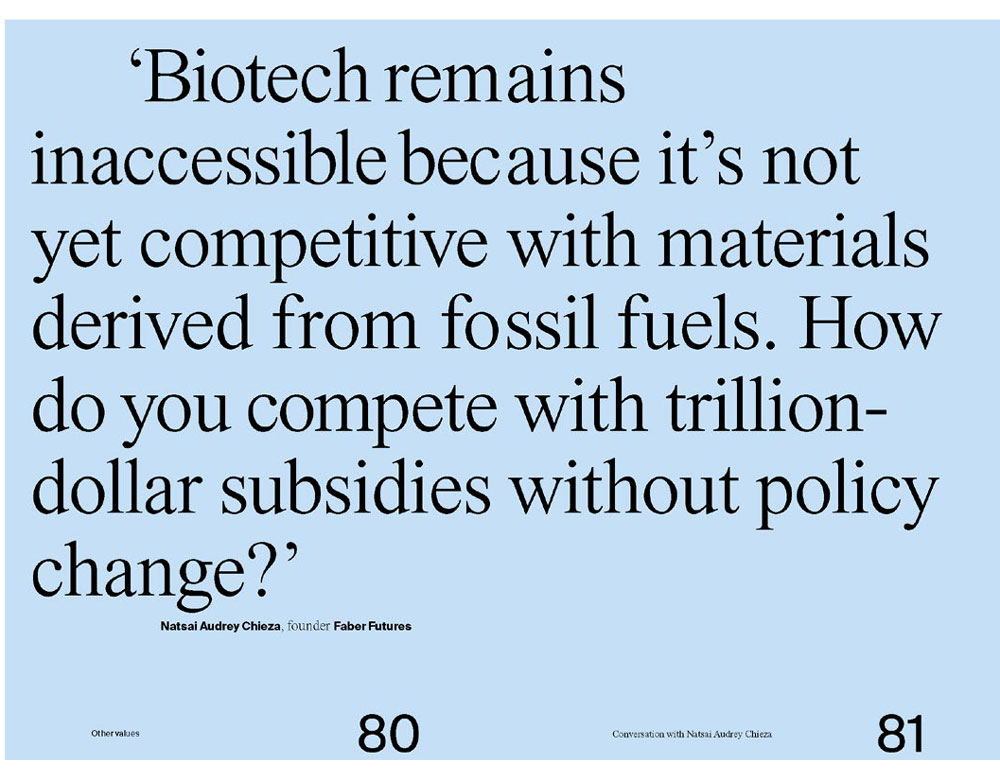
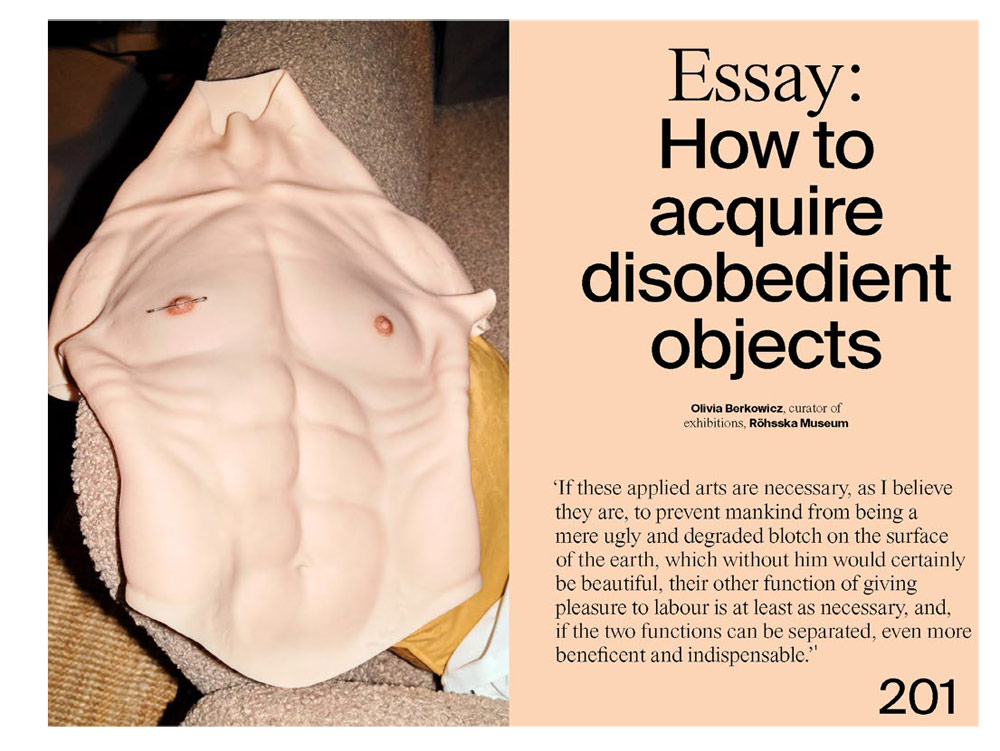
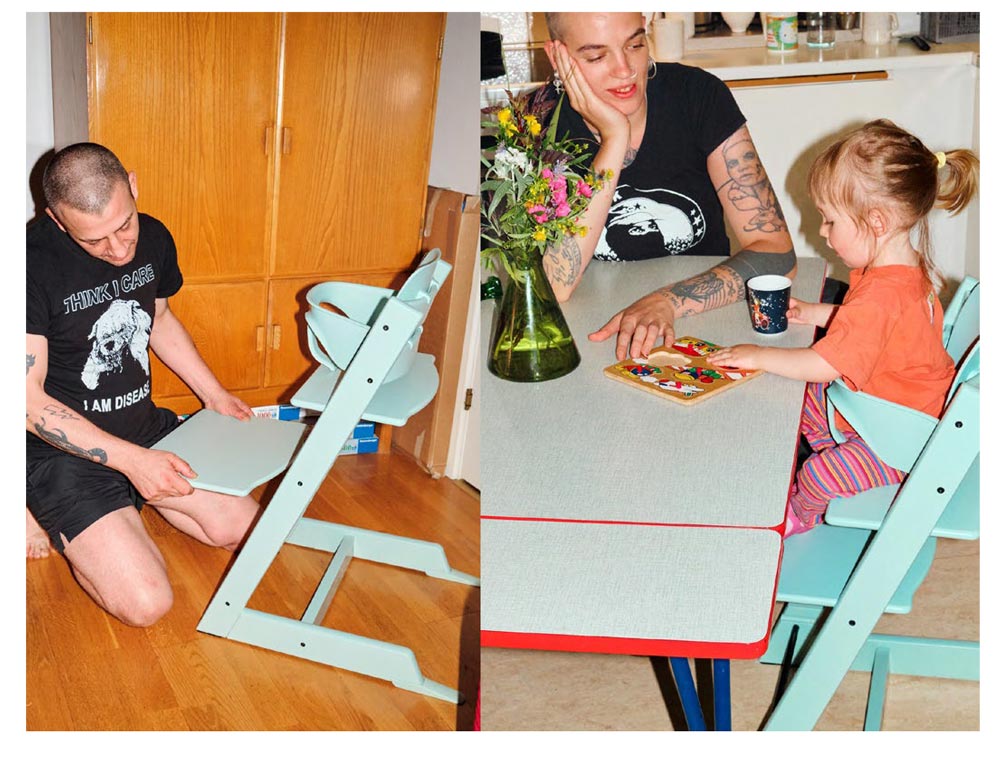
Through essays, conversations and visual essays, a range of design critical issues are discussed, reflecting on the roles of both design and the museum in society.
From the publisher:
What is design and what difference can it make in our lives? The traditional perspective of the Global North is that design shapes things to make them more attractive to consumers, easier to manufacture and use, and to generate market value. However, it is just as much a matter of creation linked to change – a way to protest against injustices, or to comment on the current social order. How design is understood, practised and consumed affects the possibility of challenging dominant power structures, which over time have themselves determined what design is, could be and should be.
Through essays, conversations and visual essays, a range of design critical issues are discussed, reflecting on the roles of both design and the museum in society.