


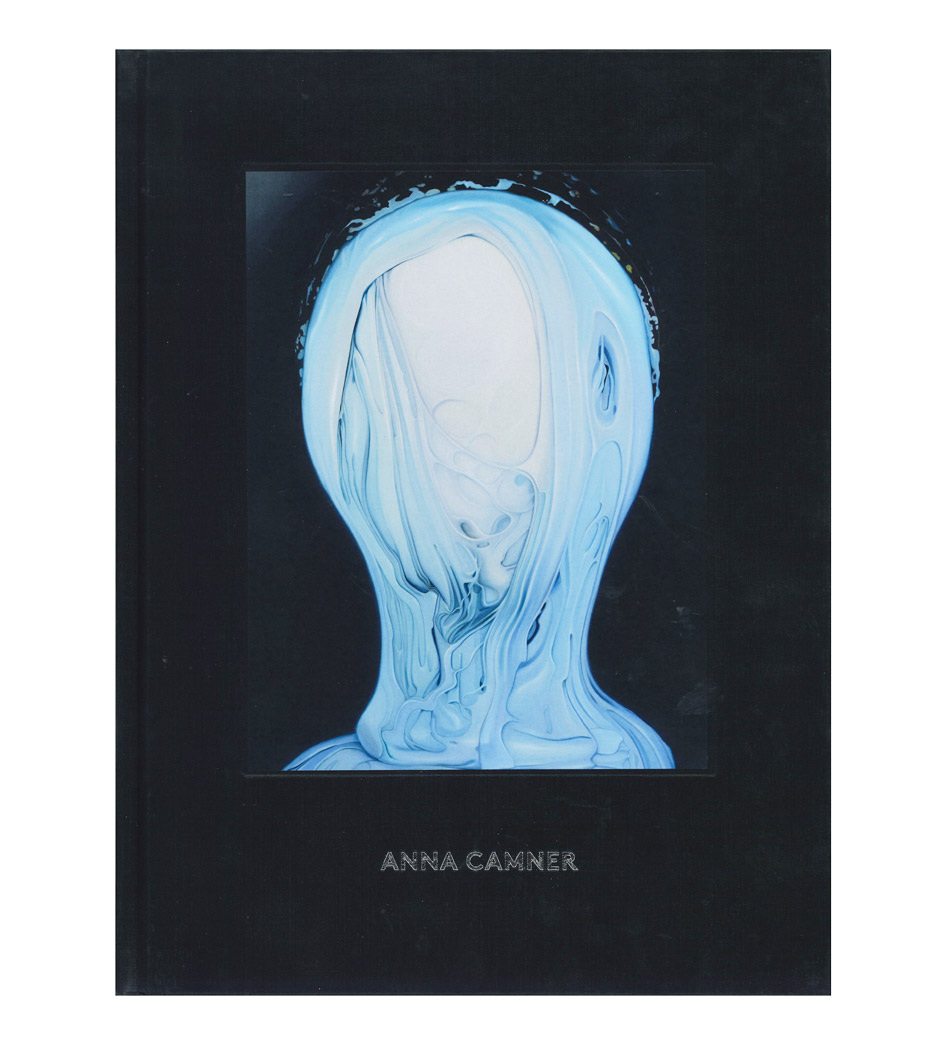
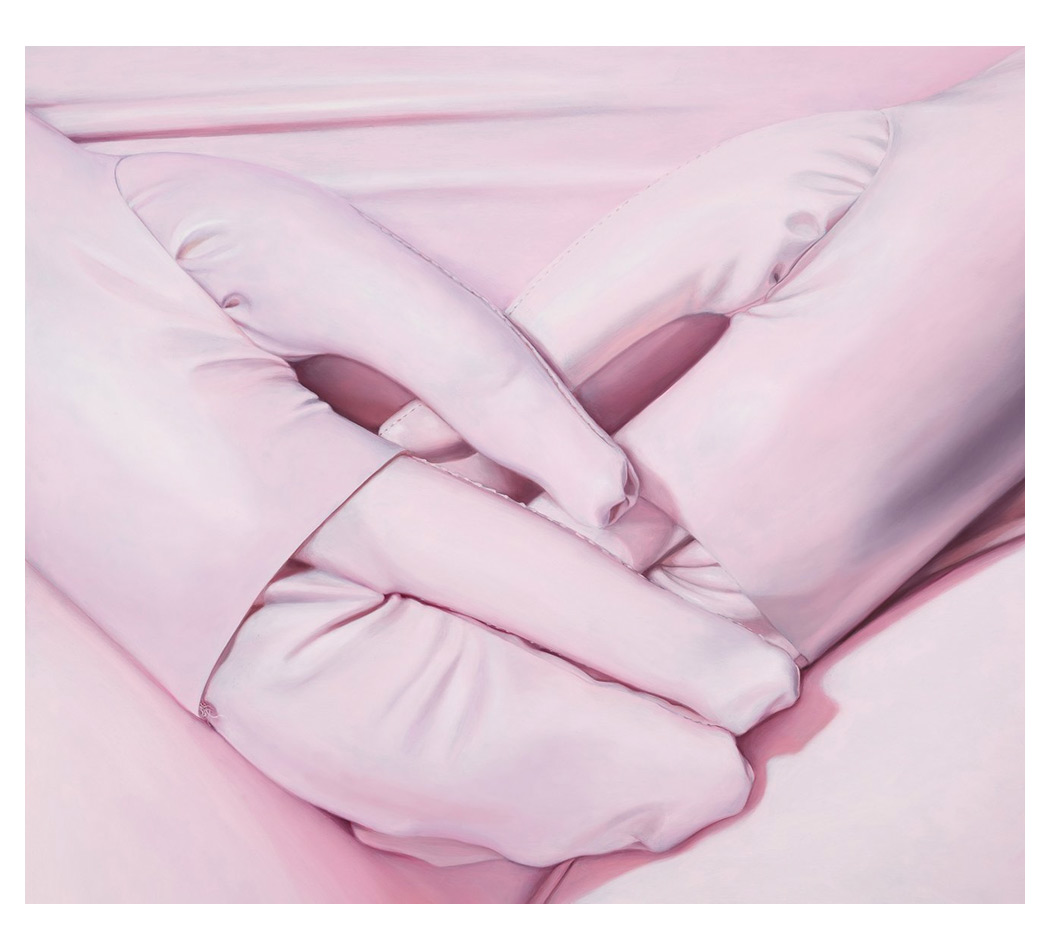
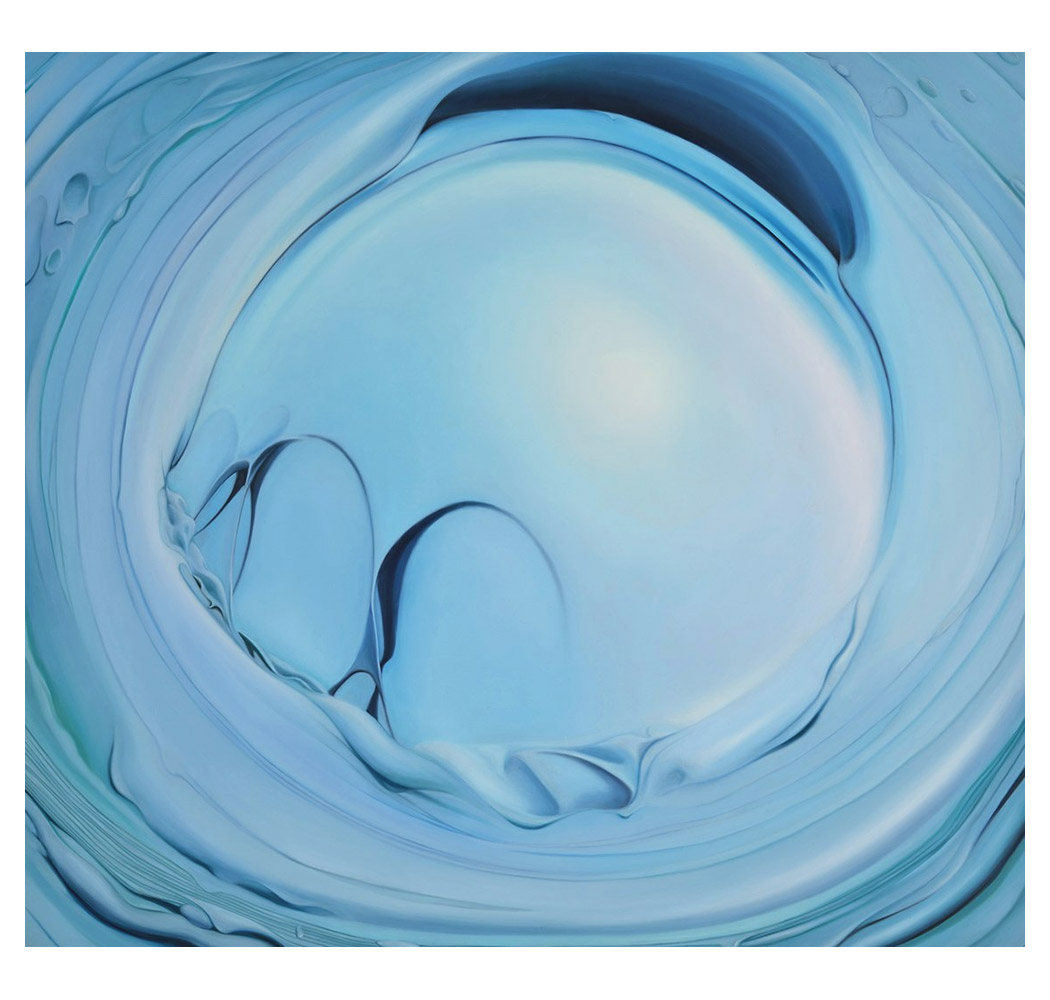
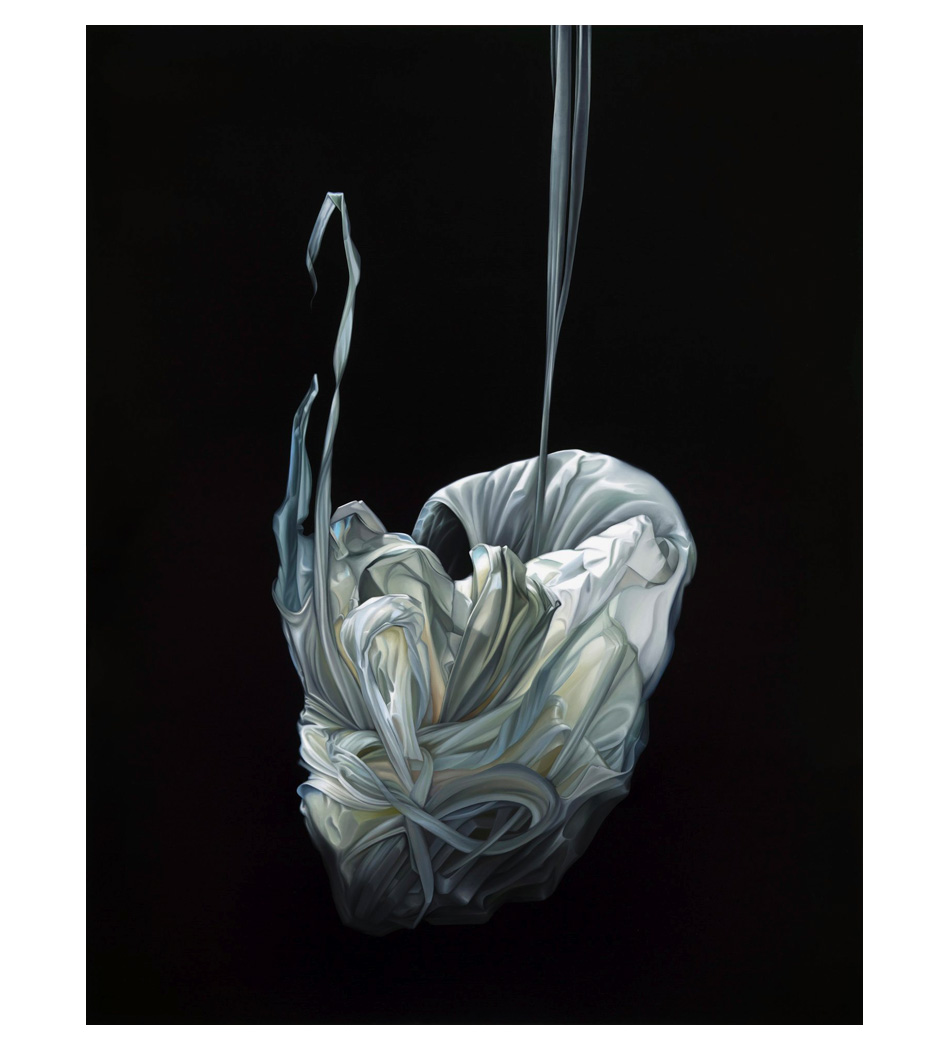
Anna Camner: Selected Works 2014-2022
€33
Keyword: 2014-2022, painting, Swedish artist
Size: 240 x 325 mm Pages: 96 Format: hardcover Language: Swedish, English Illustration: richly in colour Editor: Johanna Malm, Lo Nylen Essay: Nils Forsberg Translation: Gabriella Berggren Photography: Jean-Baptiste Bernager Book design: Fredrik Söder Printing: Livonia Publisher: Wetterling Gallery Weight: 974 gr ISBN 13: 9789187241475Exhibition: Wetterling Gallery, Stockholm 2022
Description
Article no.: 9789187241475
Mysterious, liquid forms
From the Gallery:
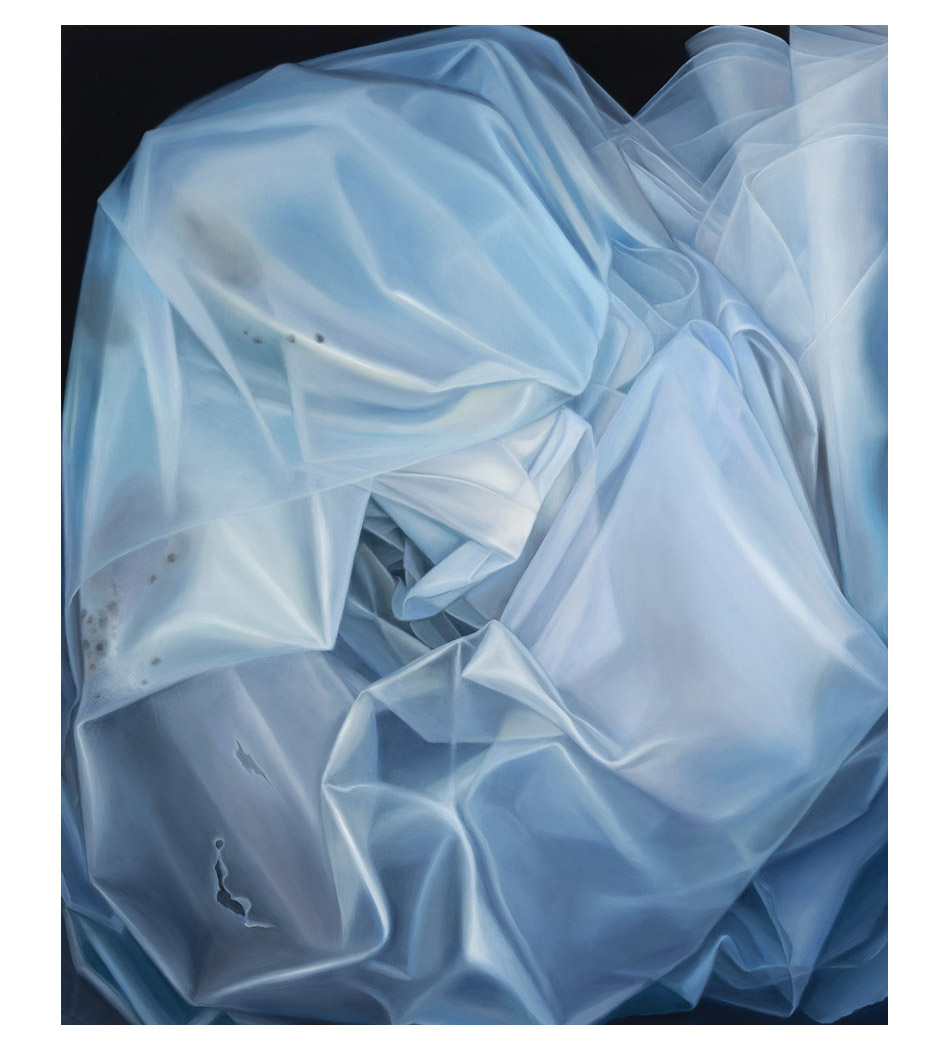
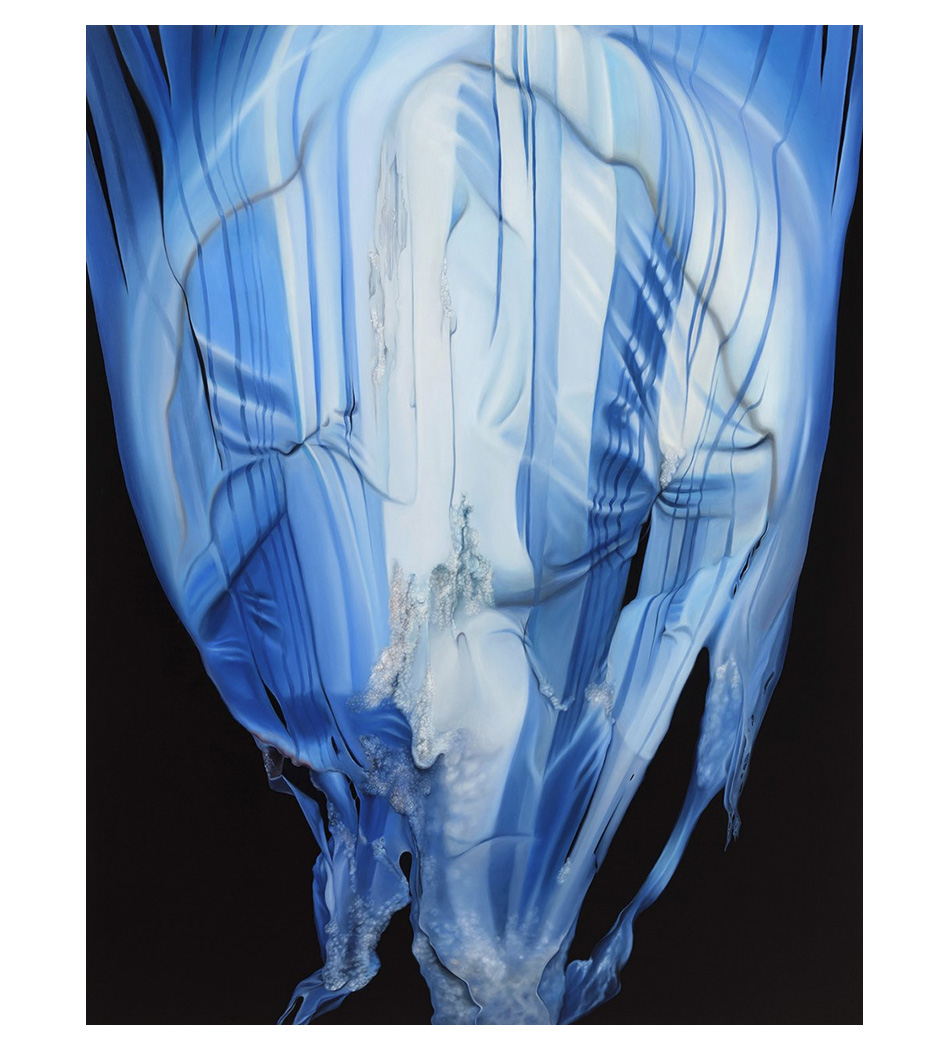
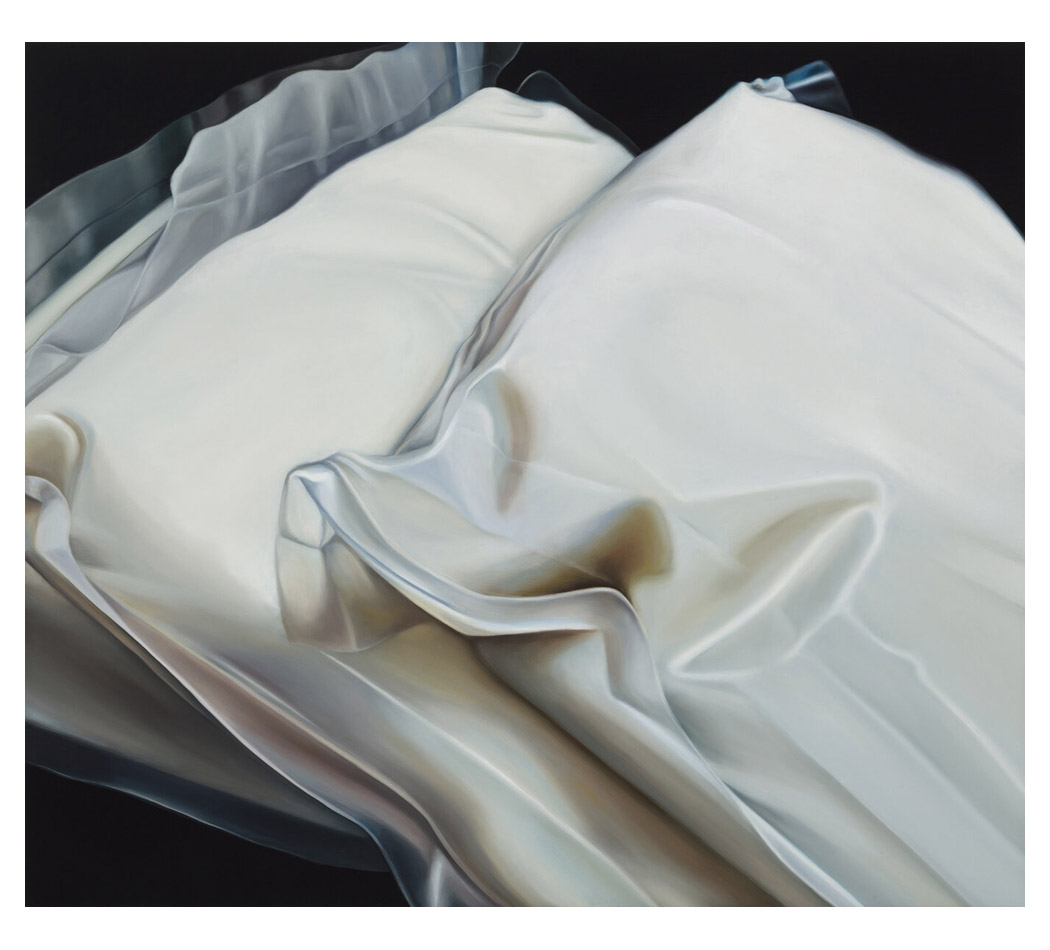
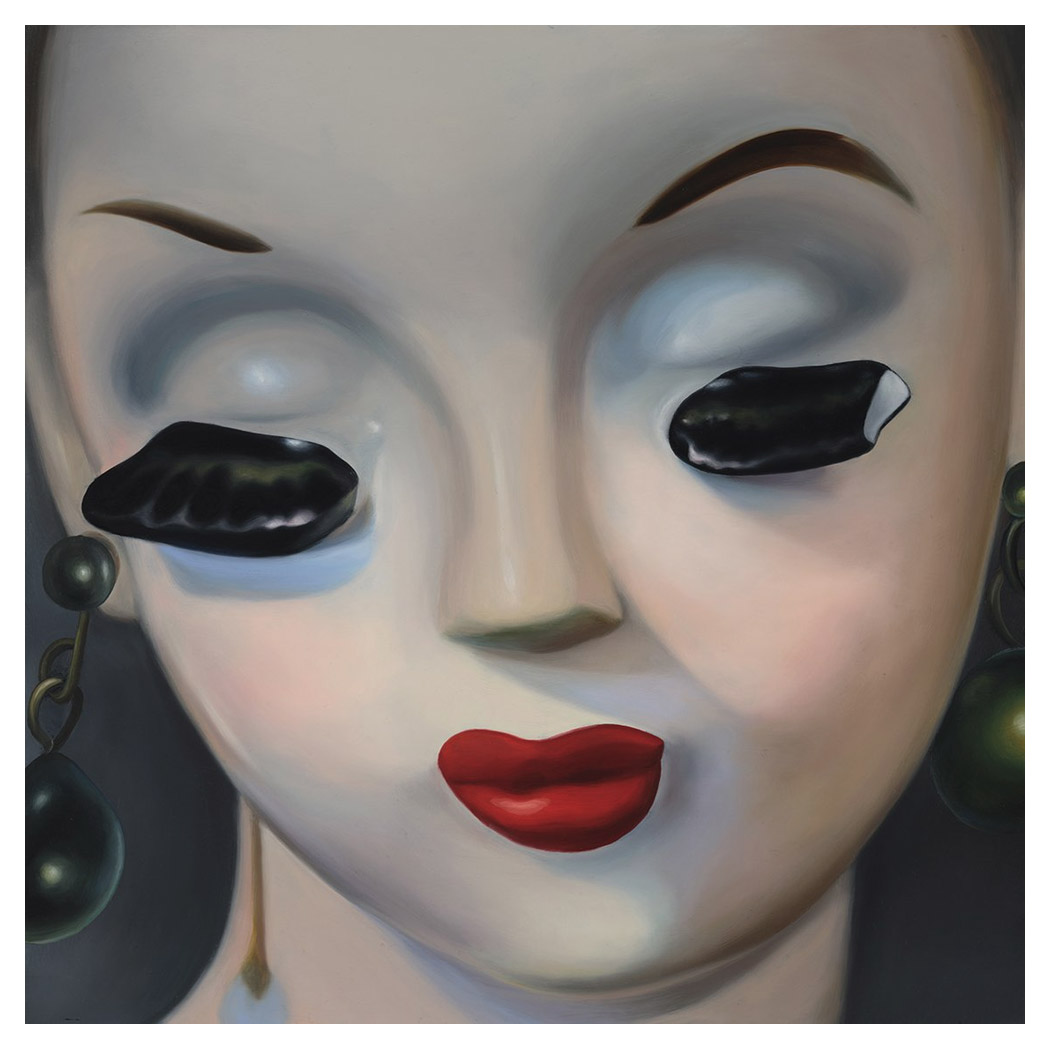
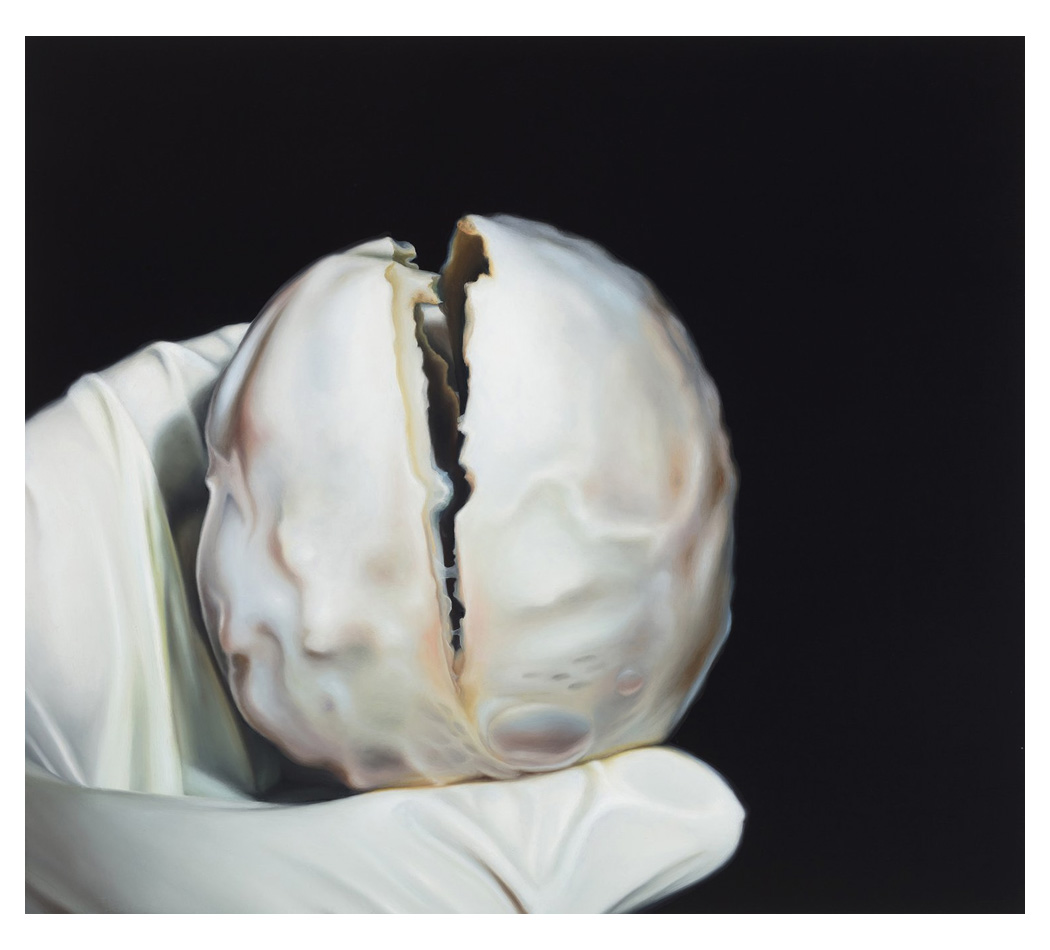
Camner’s oil paintings are characterized by an outstanding technique and precision. With a time-consuming and meticulous painterly process, Camner builds a distinct, sealed world with its own logic. A focal theme in her artistic work is the ongoing hybridization between man and synthetics. In her motifs, Camner focuses on all aspects of light, texture, and composition. With an illusory atmosphere, the paintings can be interpreted as windows for the viewer to observe objects of the subconscious.
From the Nils Forsberg's essay ”Sense and sensitivity”:
Membranes (from the Latin word membrāna, thin skin) serves as boundaries and barriers between spaces. They are not completely impermeable, so controlled amounts of certain substances can seep through if needed. At cellular level, this concerns substances such as oxygen and nutrients, and the elimination of carbon dioxide and waste products.
The membrane structure is dynamic and fluid, it can change and adapt over time, both structurally and functionally. It is entirely essential to the perpetuation of life as we know it. I see the membrane as a useful point of reference in approaching Anna Camner’s art and the veil-like organic shapes that have taken a dominant place in her imagery.
In the beginning, or at least after her gallery debut in 2006, was some kind of nature. There were garlands and Art Nouveau ornaments painted with exquisite technical skill. Those who were aware that plants can be poisonous also saw links to Baroque vanitas symbolism. Beautiful and dreamlike and decorative, the backgrounds were still occasionally in other colours than the black we now associate with her oeuvre.
A couple of years later, the Baudelaire-esque flowers of evil had been joined by bats, bugs and rats; a totally neo-gothic cabinet of horrors whispering of doom and fear. Now, the paintings were almost artificial in their precision, and the contrasting frosty detachment and dramatic death alternately enhanced and cancelled one another.
Long after, I learned that Anna Camner had not painted at all during her five years at the Royal Institute of Art. The school’s jargon and attitudes made it feel too difficult and sensitive, so she devoted herself to 3D animation and film instead. At her graduation show, she exhibited a video work of men boxing in the Gold Foyer of the Royal Opera in Stockholm. She refers to it as a great period, with lots of friends, but she kept the art she truly wanted to make to herself.
After graduating in 2003, she picked up her paint brushes again. Nowadays, she makes less than ten paintings per year. It’s a slow process. The execution itself takes time, not least the decisions that need to be made along the way, halting the work. But the most time-consuming part is often the preparatory planning. The road from the first vague idea or image to knowing what the painting should look like can take up to a year. Only when that is done does she begin to paint.
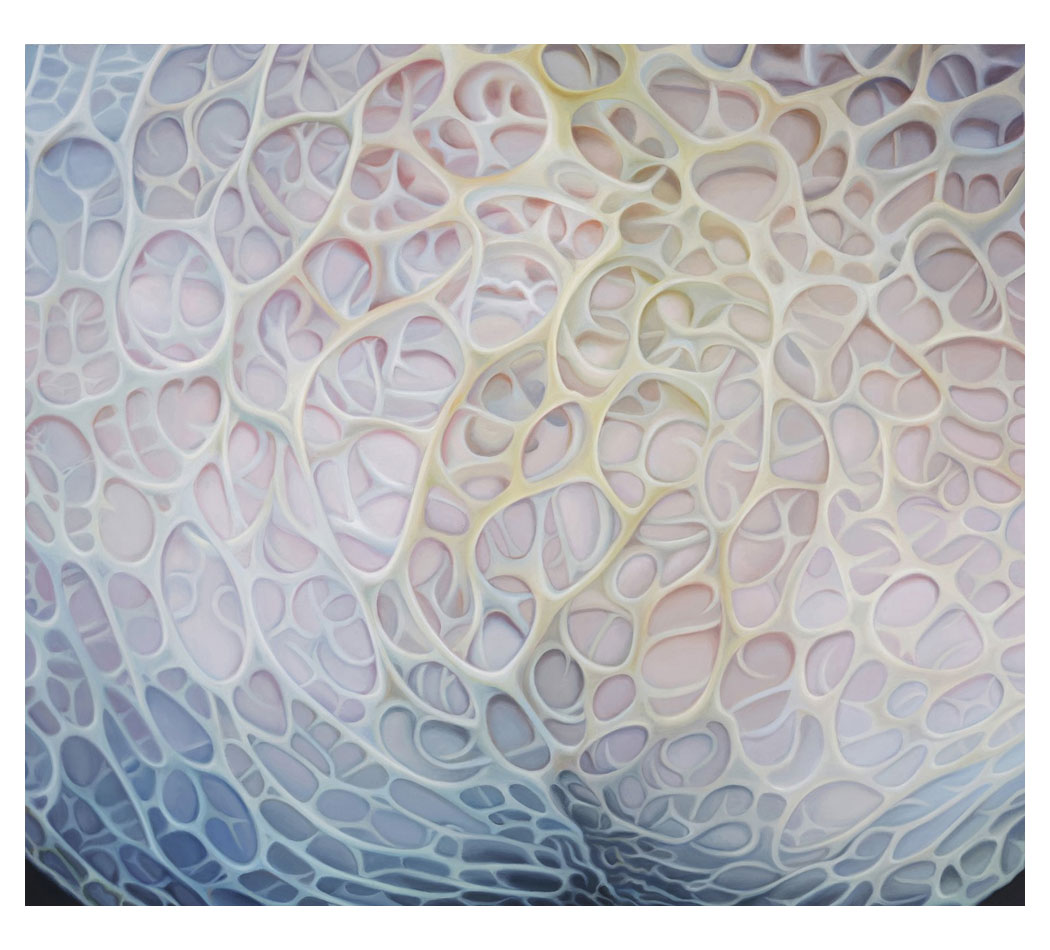
The journey went inwards. In the early 2010s, she had a few exhibitions in London and New York, before returning to Stockholm in 2016 with the exhibition Dunkler Frühling (Dark Spring), a closer, more intimate style of painting. Anna Camner zooms in on details and becomes terser. Mushrooms and plants, meticulous yet slightly foreign, but also thin membranes, veil-like tissue; shapes that seem organic but are not quite identifiable.
Files and media
 | Artist's website |