


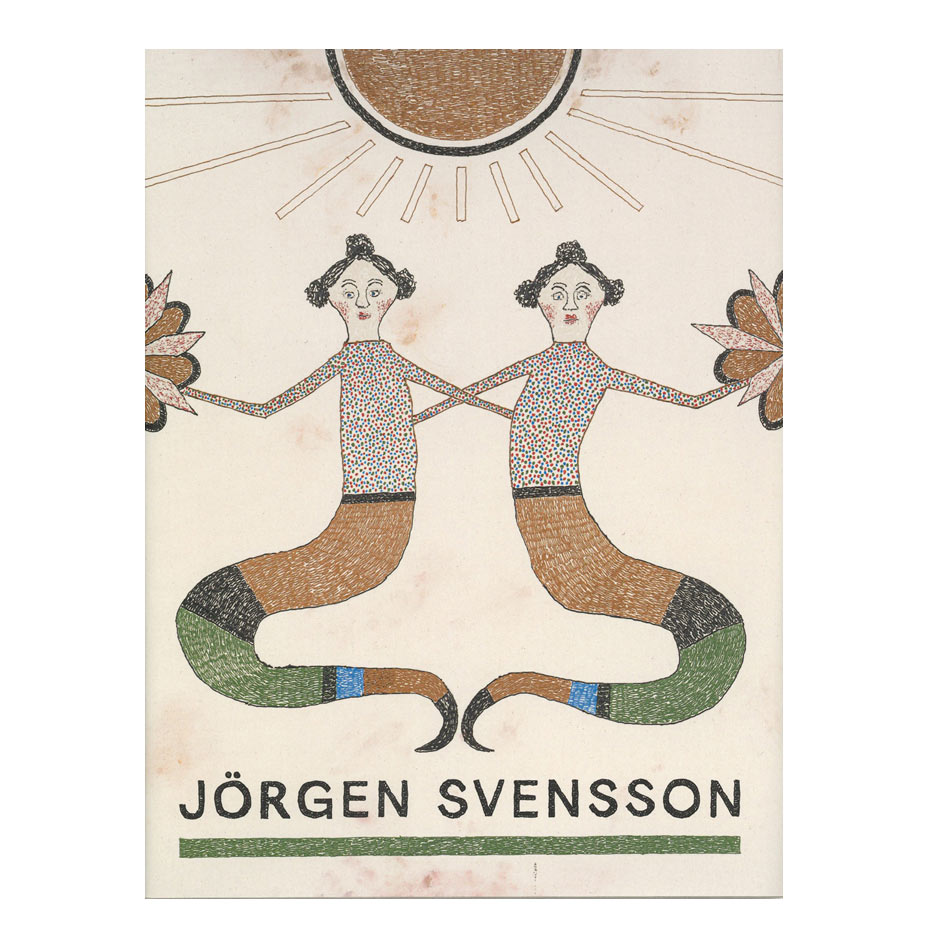
Jörgen Svensson: Lost Land
€36
keywords: 2002-2025, painting, Swedish artist
Size: 210 x 275 mmPages: 132
Format: hardcover
Edition : 300 copies
Language: English, Swedish
Illustration: 72 colour, 4 b/w
Text: Magnus Bons
Book design: Fredrik Åkum
Printing: Balto Print
Publisher: Self-published
Pub Year: 2026
Weight: 837 gr
ISBN: 9789153179757
Exhibition: Varbergs konsthall
Description
Article no.: 9789153179757
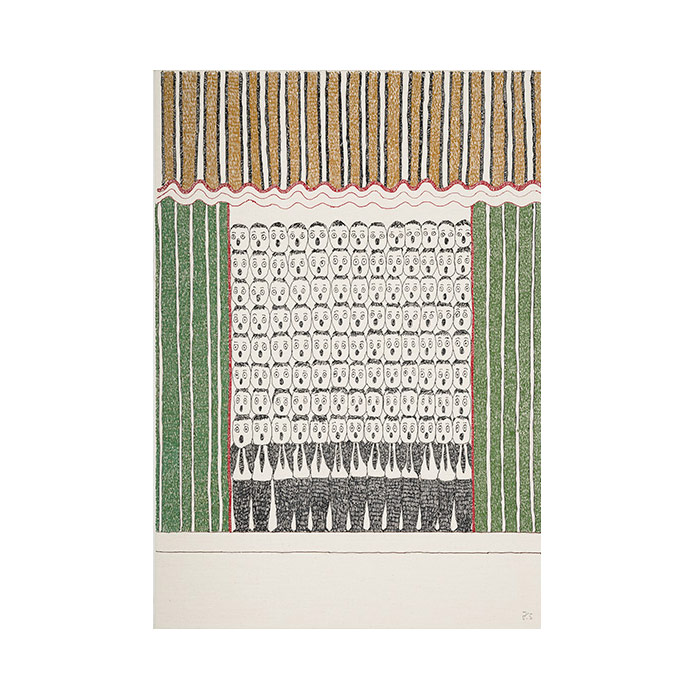
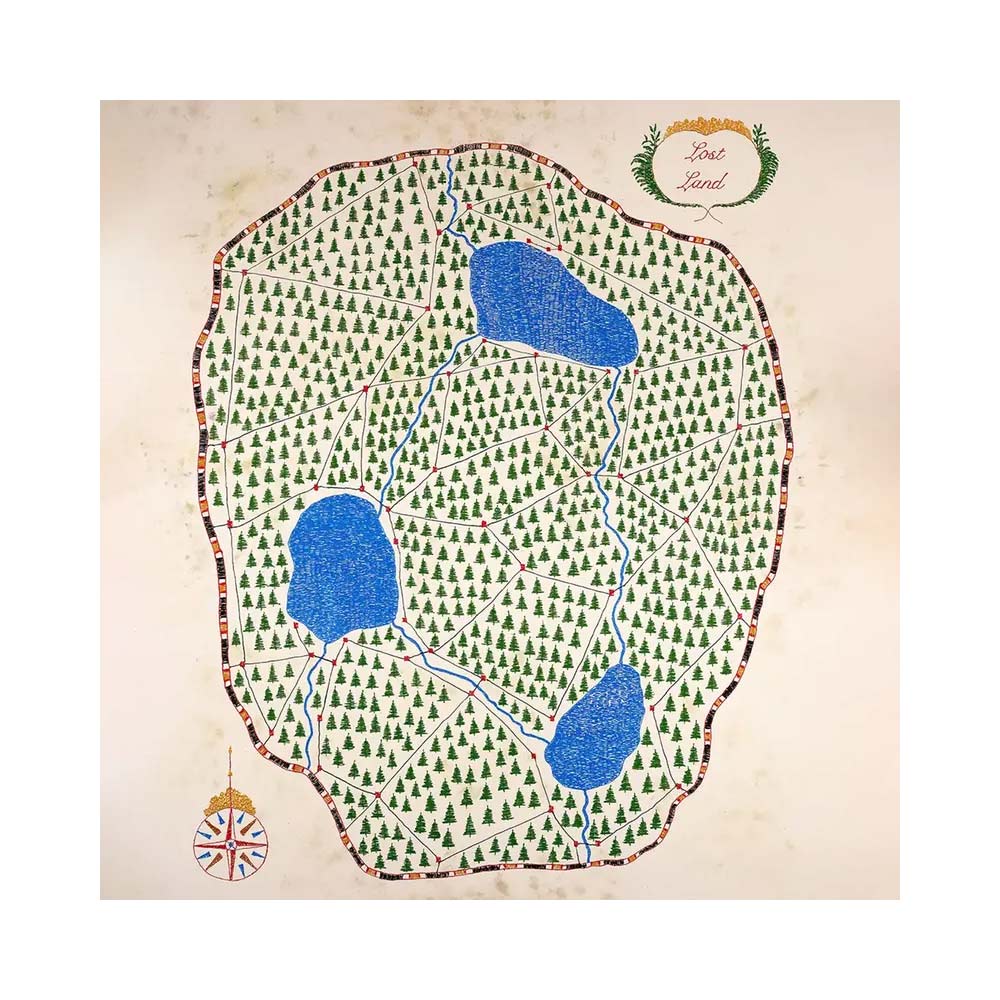
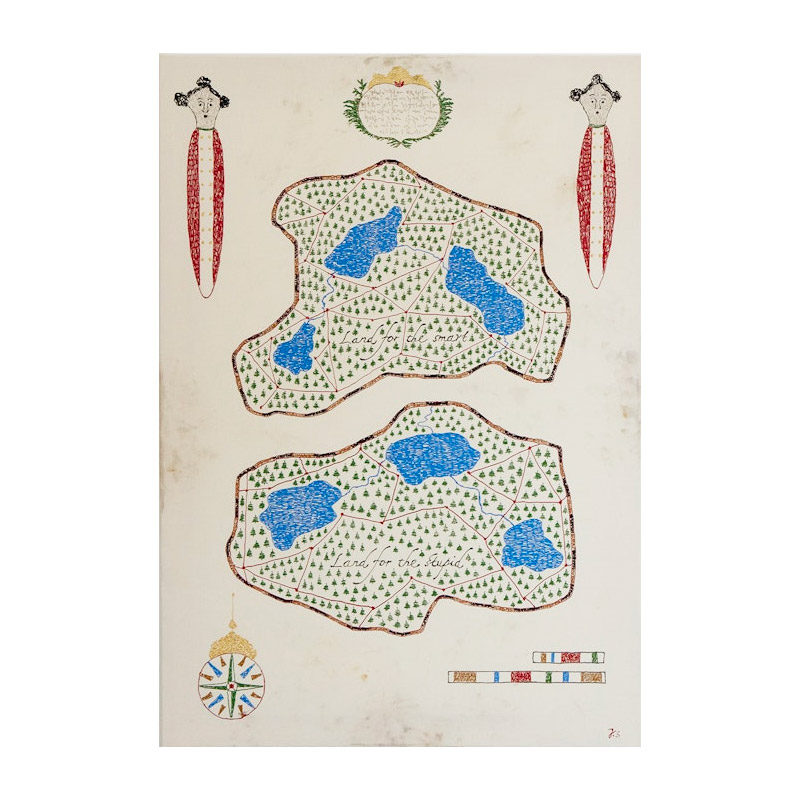
Broderimåleri [emboidered painting] – a term Svensson coined about his technique. He uses syringes and needles, to spray acrylic paint in thin lines onto unbleached cotton fabric, creating the illusion of embroidery. This a beautiful book filled stories that raise questions about society, identity, and the place of art in everyday life.
About:
The artist Jörgen Svensson's practice spans most artistic forms of expression. After graduating from the Valand Academy of Fine Arts, he went on to establish himself as a pioneer within relational aesthetics. The artist Jan Håfström has drawn parallels between Svensson and the artist Björn Lövin, while the art critic Magnus Bons, who wrote the text for the book, sees similarities between Svensson and the author Lars Norén. The book focuses on Jörgen Svensson's painting. It is a unique body of work in which Svensson has been compelled to invent a new way of painting in order to express what he has wanted to convey. He calls it embroidery painting. Svensson paints with a syringe and cannula, achieving an embroidery-like effect. Behind Svensson's unusual technique and the pictorial world he creates, there is always the backdrop of his upbringing in a Värmland industrial town in the 1960s — a place where many young people were lost to substance abuse and where textile craftsmanship dominated at a time when art was conspicuous by its absence.
About:
The artist Jörgen Svensson's practice spans most artistic forms of expression. After graduating from the Valand Academy of Fine Arts, he went on to establish himself as a pioneer within relational aesthetics. The artist Jan Håfström has drawn parallels between Svensson and the artist Björn Lövin, while the art critic Magnus Bons, who wrote the text for the book, sees similarities between Svensson and the author Lars Norén. The book focuses on Jörgen Svensson's painting. It is a unique body of work in which Svensson has been compelled to invent a new way of painting in order to express what he has wanted to convey. He calls it embroidery painting. Svensson paints with a syringe and cannula, achieving an embroidery-like effect. Behind Svensson's unusual technique and the pictorial world he creates, there is always the backdrop of his upbringing in a Värmland industrial town in the 1960s — a place where many young people were lost to substance abuse and where textile craftsmanship dominated at a time when art was conspicuous by its absence.