



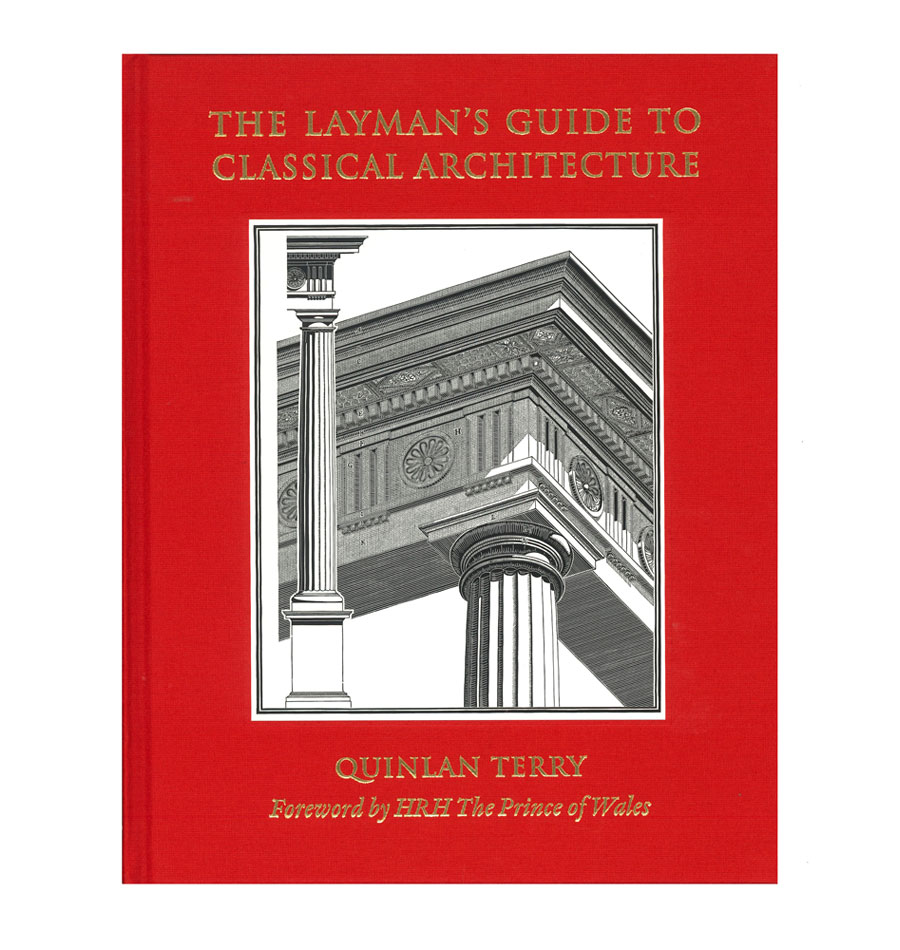
The Layman's Guide to Classical Architecture
€40
Keyword: style guide, classical architecture, ornaments, proportions Author: Quinlan Terry
Size: 224 x 276 mm Pages: 238 Format: hardcover Language: English Illustration: 200 illustrations Foreword: Prince Charles Book design: Patric Leo Publisher: Stolpe Pub Year: 2022 Weight: 1193 gr ISBN 13: 9789189069817Description
Article no.: 9789189069817
From Palladio to Christopher Wren – British architect Quinlan Terry gives us the principles of classical architecture.
From the publisher:
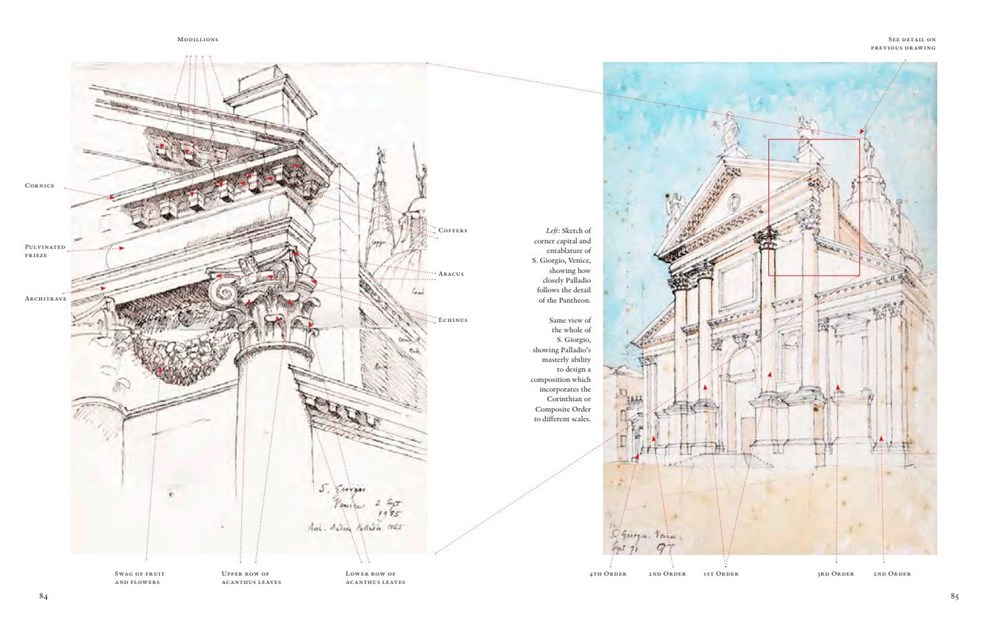
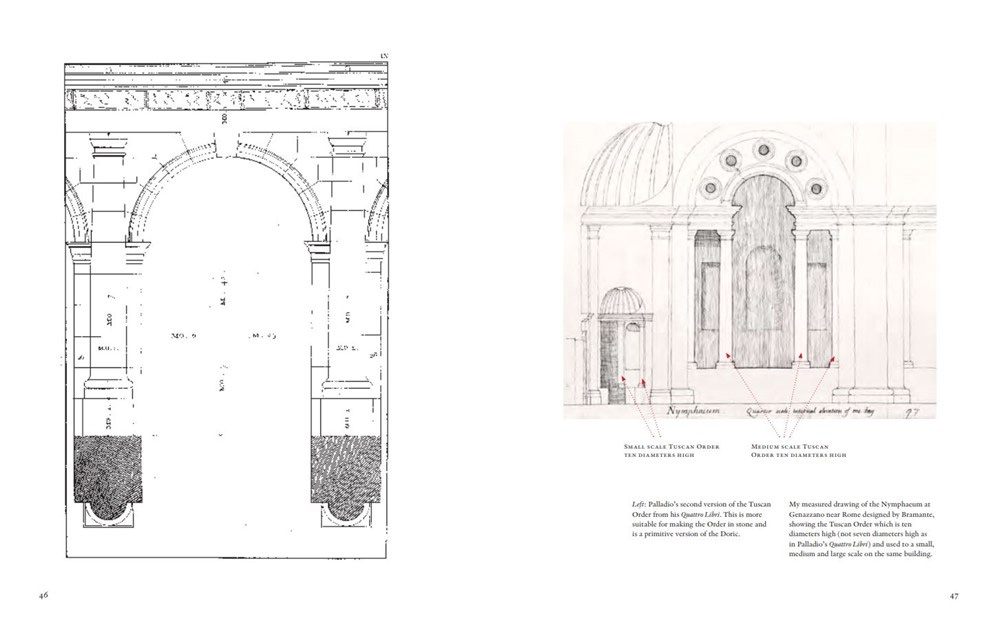
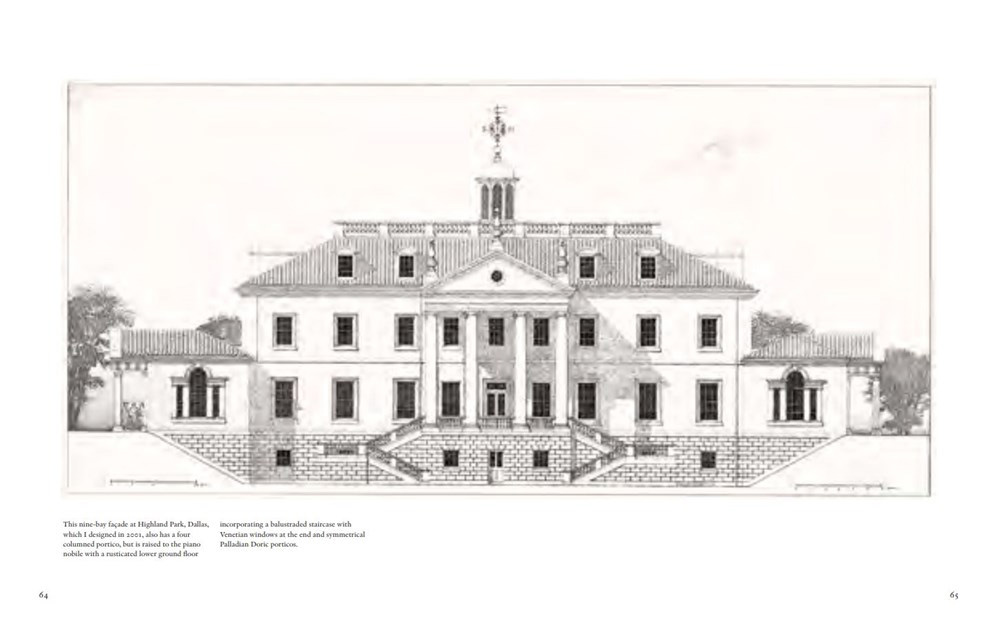
The British architect Quinlan Terry has created it with this book the ultimate guide to classical architecture. With detailed sketches, he illustrates both the principals of which Classical architecture is based and the ornament that enriches it.
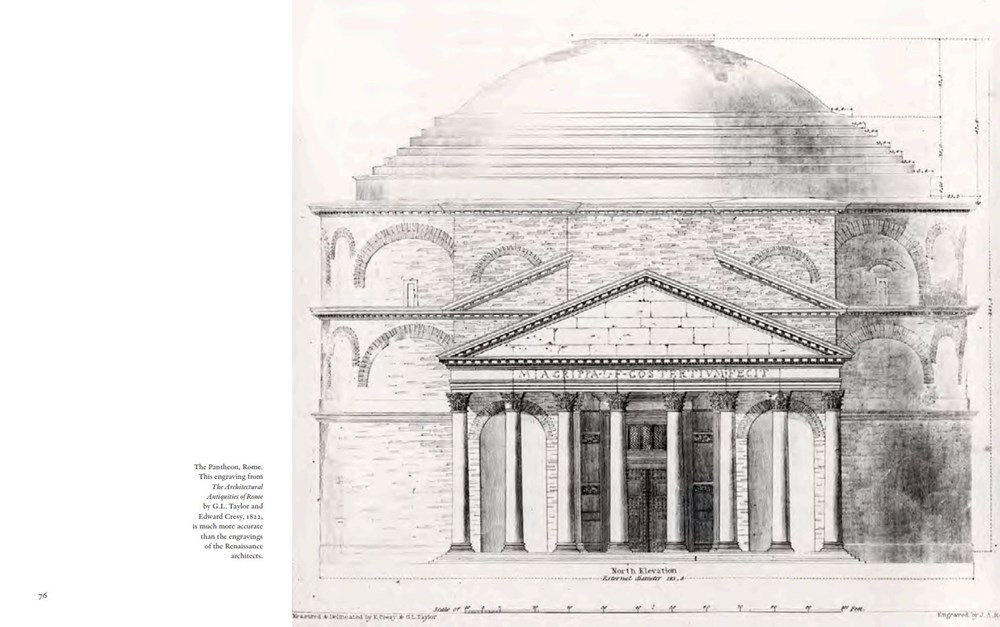
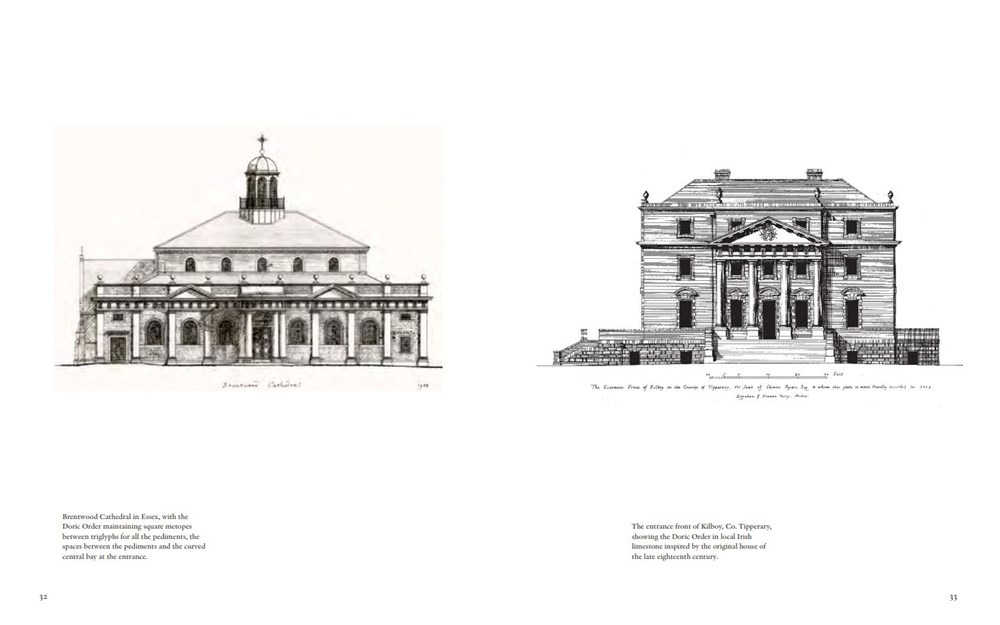
The British architect Quinlan Terry has created this book as the ultimate guide to classical architecture. With detailed sketches, he illustrates both the principals of which Classical architecture is based and the ornament that enriches it. The tradition of this architecture persisted into the 20th century, when other ideals began to take over. Terry, who is a strong advocate of classical architecture, wants to refocus on the kind of architecture which was dominant in the western world for almost 2,000 years, but whose background and structure is little known today. The book contains many of Quinlan Terry's drawings, sketches from travels and linoleum prints. The preface is written by Prince Charles, who holds Quinlan Terry as one of the top contemporary architects.
Table of contents:
1. i. Foreword by prince Charles
ii. Introduction
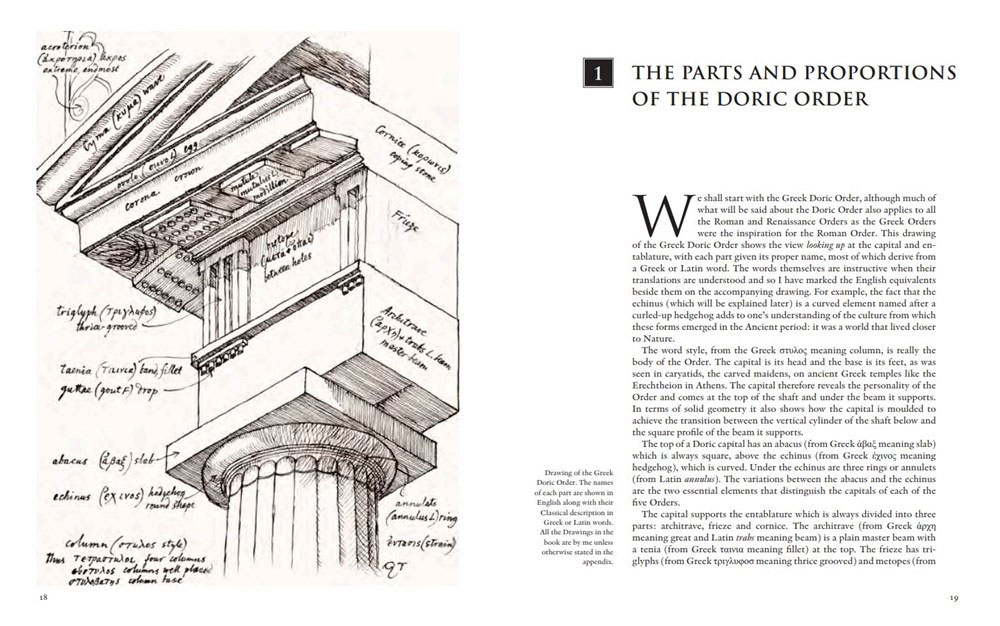
1. The parts and proportions of the Doric Order
2. The parts and proportions of the Tuscan Order
3. The parts and proportions of the Ionic Order
4. The parts and proportions of the Corinthian and Composite Orders
5. Superimposed Orders and the use of different Orders used together
6. The origin of the three Orders
7. Romanesque, Gothic, Indian and later architectural revivals
8. The characteristics of the Baroque
9. Appropriate materials for buildings that will last for centuries
10. Guidance on how a layman should sketch the Orders
11. Classical architecture which has no recognisable Order
12. Classical architecture as the hallmark of its time and place