


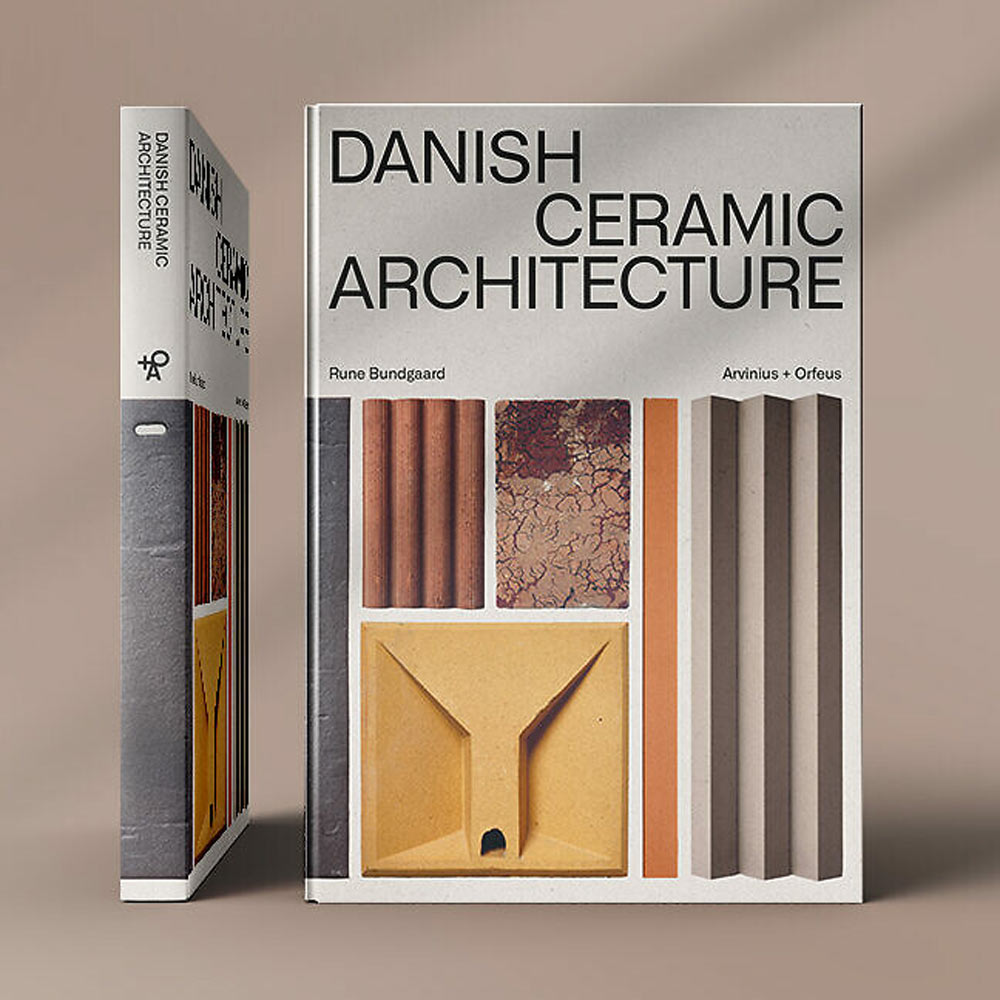
Danish Ceramic Architecture
€61
Keyword: 20th - 21st century, architecture, ceramic and brick facades, Danish architecture
Author: Rune BundgaardSize: 215 x 290 mm
Pages: 272
Format: hardcover
Language: English
Illustration: in colour & b/w
Editor: Rune Bundgaard, Thomas Dickson Text: Rune Bundgaard, Alexis Harrisson, Martin Bodilsen Kaldahl, Jörn Utzon
Book design: WAAITT
Printing: Livonia Print
Publisher: Arvinius + Orfeus Publishing
Pub Year: 2023
Weight: 1606 gr
ISBN 13: 9789189270169
Description
Article no.: 9789189270169
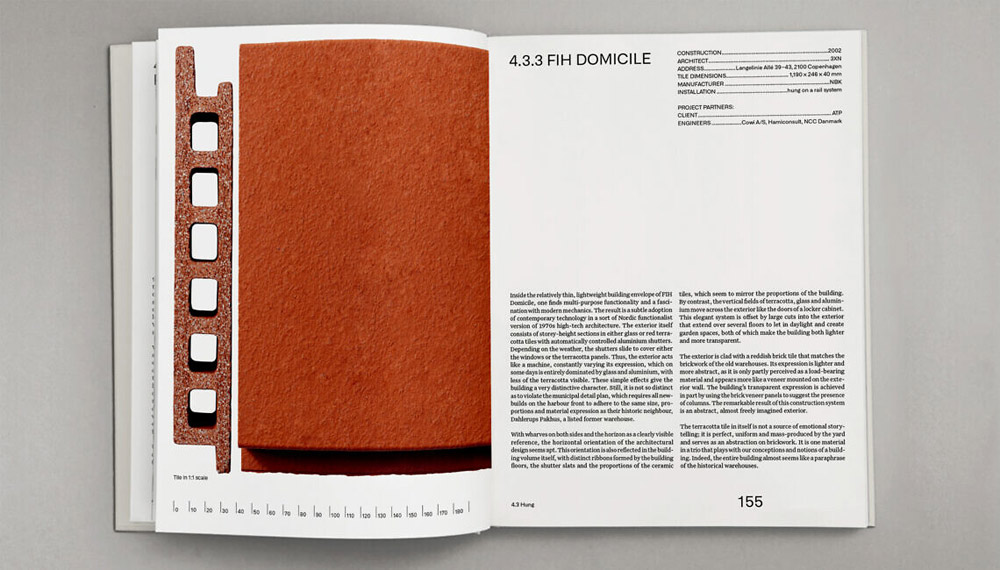
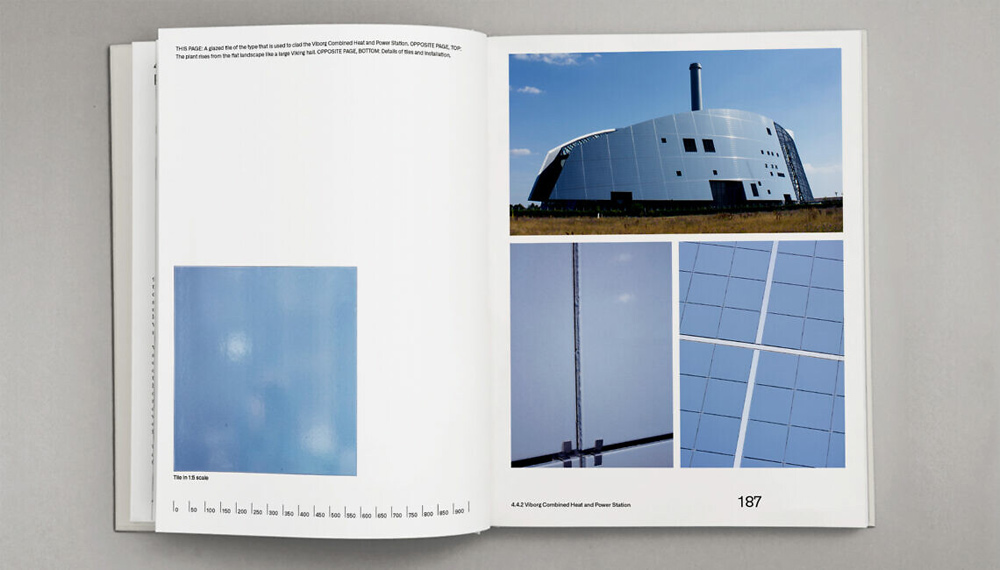
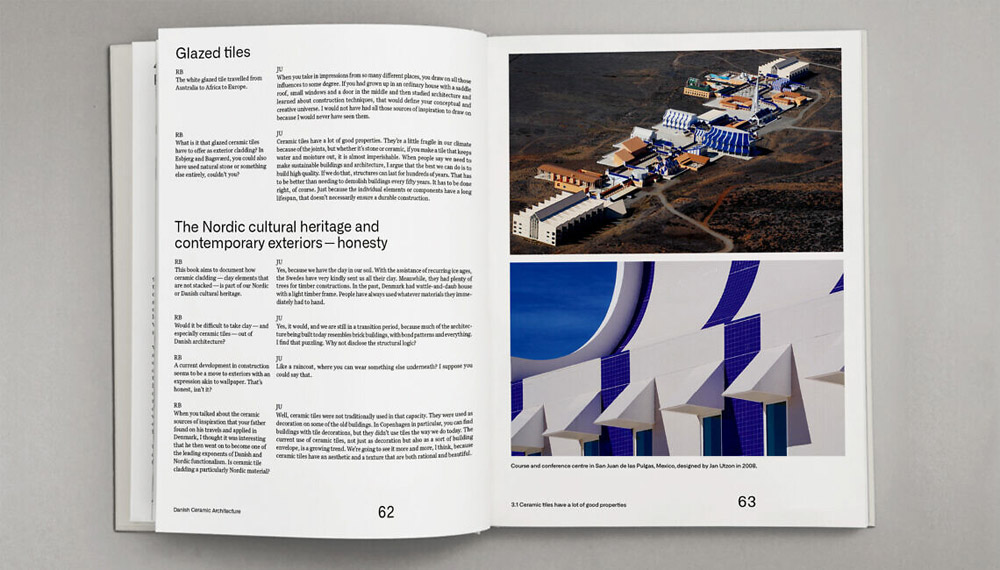
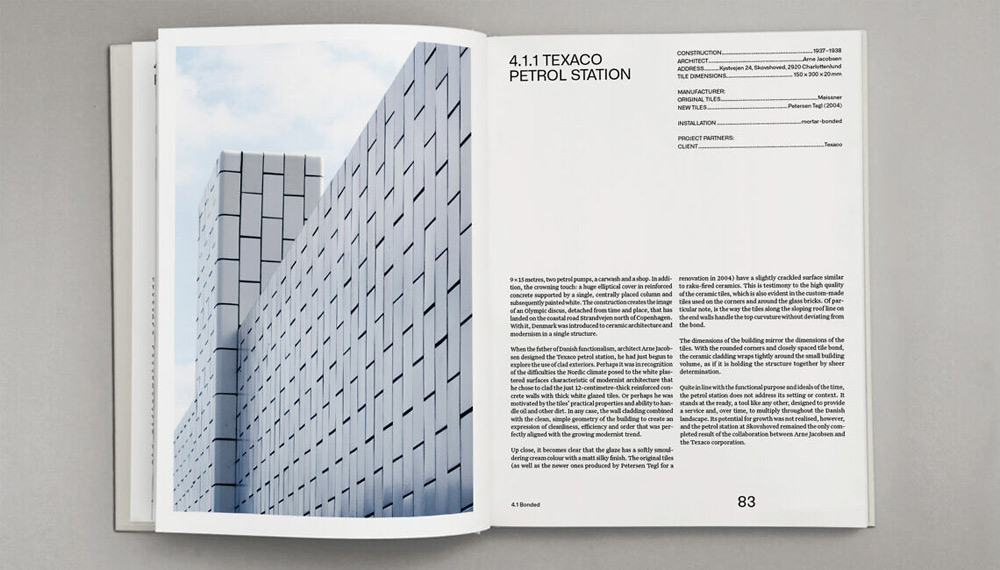
A survey over the use of ceramics Danish architecture – a forgotten part of its architectural history From the curator: Danish Ceramic Architecture offers a presentation of Danish architecture that has not been seen before. With ceramic and light brick facades as a medium, it narrates a piece of Danish architectural history unknown to most people. It is thus a new way of approaching the Danish architectural treasure – by zooming in on approximately the past 130 years and otherwise overlooked buildings, as well as telling new stories about well-known works. This is how the book demonstrates why this particular style of architecture is something professionals and others interested in architecture and aesthetics should be aware of. Through essays by and interviews with leading architecture thinkers and practitioners – as well as dozens of projects with facades in ceramic and light tile, by major Danish architectural firms such as Vilhelm Lauritzen, Cobe and BIG – the purpose of the book is to relate ceramic and light tile facades to central Danish (and international) currents in architecture and material. In this way, it will help pointing forward to new forms of expression for Danish architecture.