






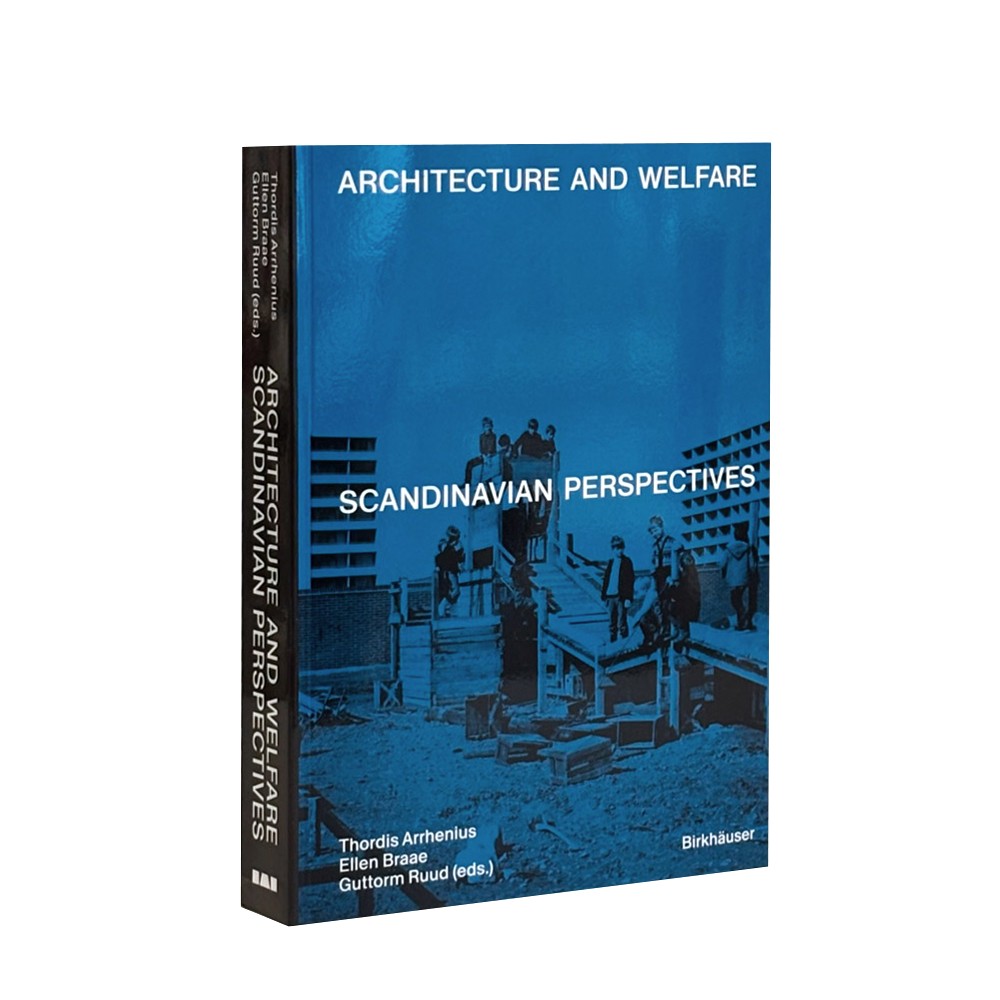
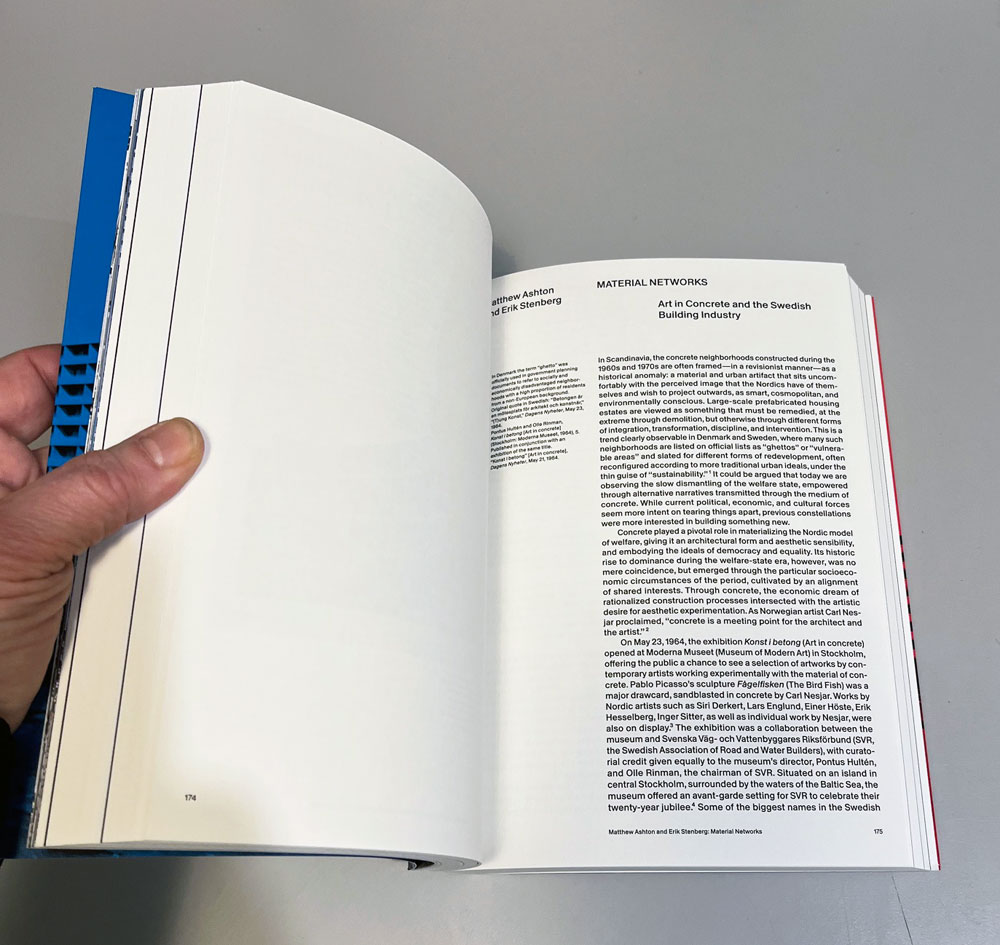
Architecture and Welfare: Scandinavian Perspectives
€63
Keyword: postwar architecture, welfare, social housing, Scandinavian architecture
Editor: Thordis Arrhenius, Ellen Braae, Guttorm Ruud
Size: 170 x 240 mm
Pages: 392
Format: softcover
Language: English
Illustrations: in colour
Text: Thordis Arrhenius, Ellen Braae, Guttorm Ruud, Martin Braathen, Beata Labuhn, Espen Johnsen, Anne-Kristine Kronborg, Mikkel Høghøj, Frida Rosenberg, Christina Pech, Matthew Ashton & Erik Stenberg, Leonard Ma, Tom Nielsen, Jennifer Mack, Erik Sigge, Martin Søberg, Deane Simpson & Helena Mattsson among others
Photography: Aysha Amin, John Håkansson, Ane Hjort Guttu, among others
Copy editing: Helen Rix Runting
Book design: Aslak Gurholt
Publisher: Birkhäuser
Pub Year: 2025
Weight: 1042 gr
ISBN: 9783035627961
Description
Article no.: 9783035627961
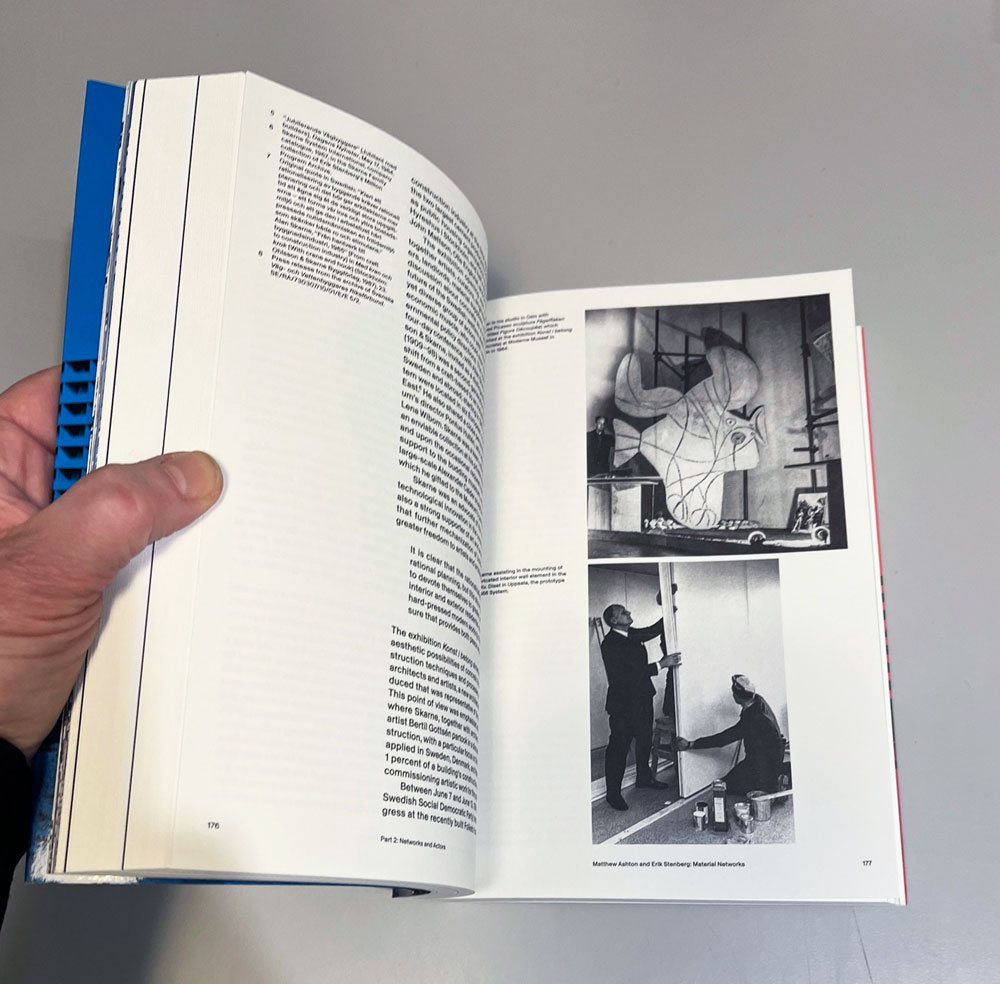
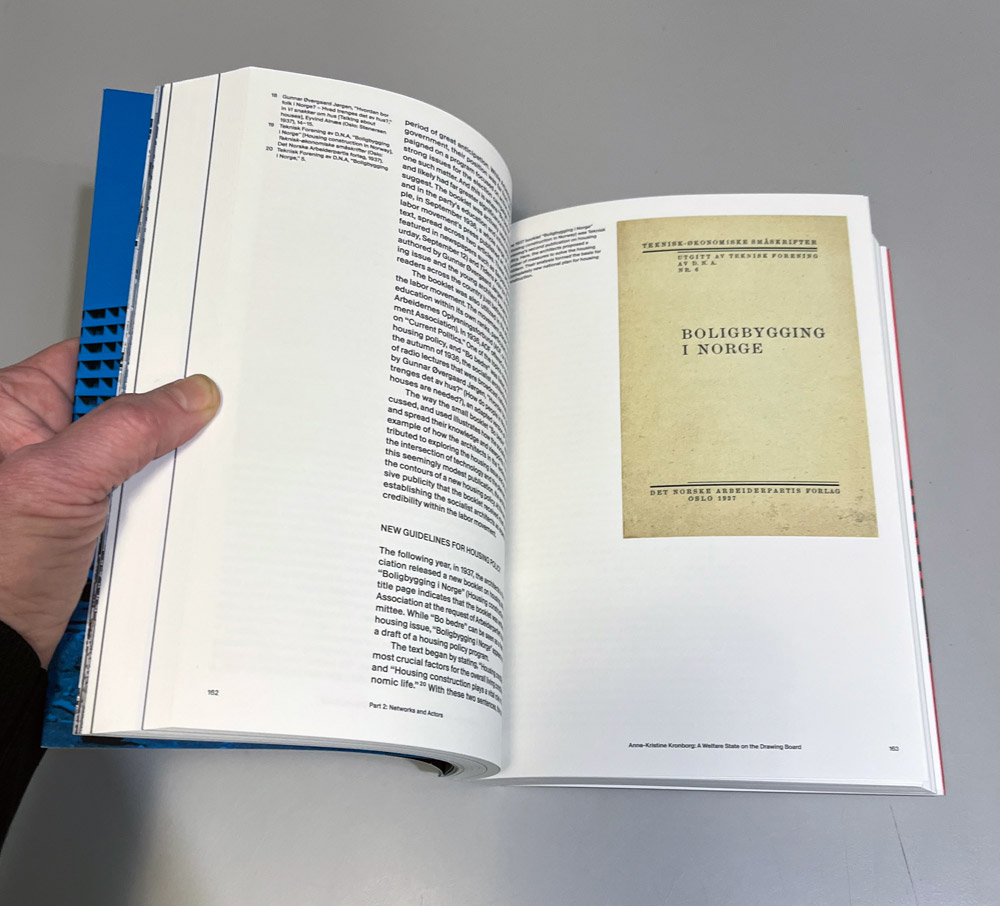
Aspects of the relationship between architecture and welfare. This anthology is based on an interdisciplinary research project (Restoring the Welfare State; Heritage and the Recent Past) by KTH Stockholm, Oslo School of Architecture, and University of Copenhagen
From the publisher:
Architecture was fundamental to the realization of welfare state policy in the Nordic countries, translating democratic ideals into concrete spatial materializations. An inclusive notion of “welfare for all” was embraced by a generation of architects, landscape architects, and planners, who labored to give physical form to ideas of equality, collectivity, and democracy, producing a vast architectural output in Scandinavia during the postwar years. Today, however, the architectural legacy of this era is contested. Welfare for all no longer enjoys the social or political consensus it once did.
This publication critically engages with this contested architectural legacy and provides a nuanced portrait of postwar welfare architecture coming to terms with a contentious past and facing an uncertain future
From the publisher:
Architecture was fundamental to the realization of welfare state policy in the Nordic countries, translating democratic ideals into concrete spatial materializations. An inclusive notion of “welfare for all” was embraced by a generation of architects, landscape architects, and planners, who labored to give physical form to ideas of equality, collectivity, and democracy, producing a vast architectural output in Scandinavia during the postwar years. Today, however, the architectural legacy of this era is contested. Welfare for all no longer enjoys the social or political consensus it once did.
This publication critically engages with this contested architectural legacy and provides a nuanced portrait of postwar welfare architecture coming to terms with a contentious past and facing an uncertain future