


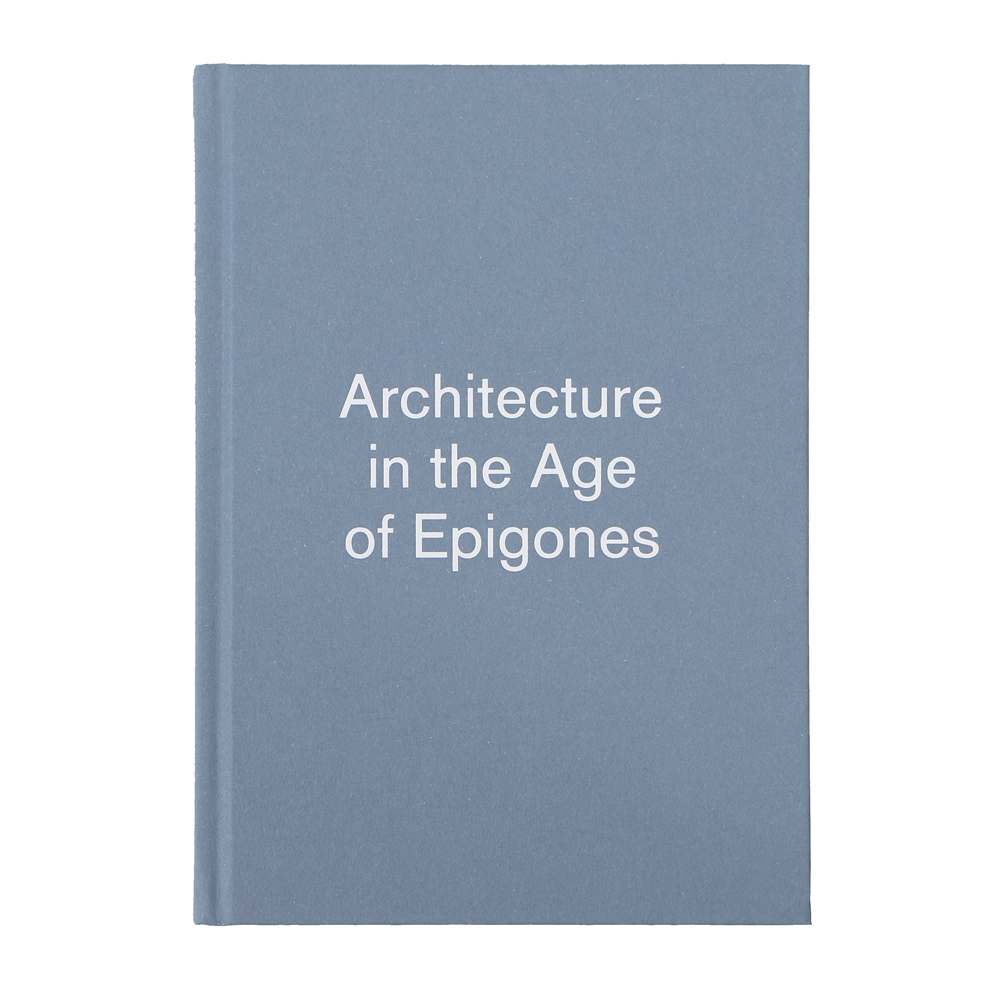
Bjercke & Eliassen: Architecture in the Age of Epigones
€36
Keyword: 1930, hydroelectric power station, Sauda III, Norwegian studio
Author: Espen Vatn
Size: 170 x 240 mm
Pages: 140
Format: hardcover
Language: English
Illustration: in colour & b/w
Interview: Elias Cornell
Photography: Johan Dehlin
Book design: Jens Johan Tandberg
Printing: Livonia
Publisher: Arkitektfaglig Presse
Pub Year: 2026
Weight: 485
ISBN: 9788269262186
Description
Article no.: 9788269262186
A book about architecture and time, and about what it means to build when new forms arrive faster than a building culture can absorb them. On Bjerke & Eliassen's power plant Sauda III.
The book inlcudes a photo essay by Johan Dehlin
From the publisher:
Arkitektfaglig Presse publishes the first book devoted to the Oslo partnership Bjercke and Eliassen. The volume pairs a new essay by the architect Espen Vatn with a photographic essay by Johan Dehlin, a new set of drawings, and a 1961 interview with the two architects, published here in English translation.
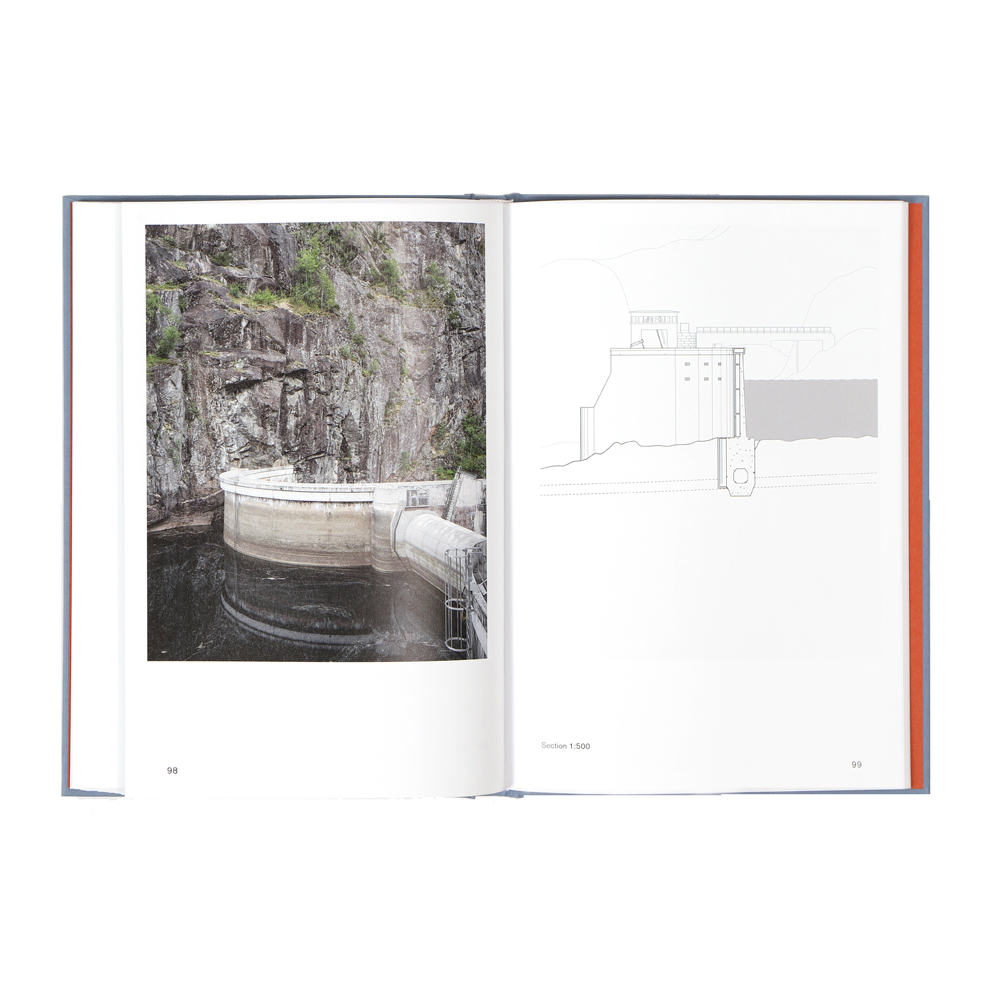
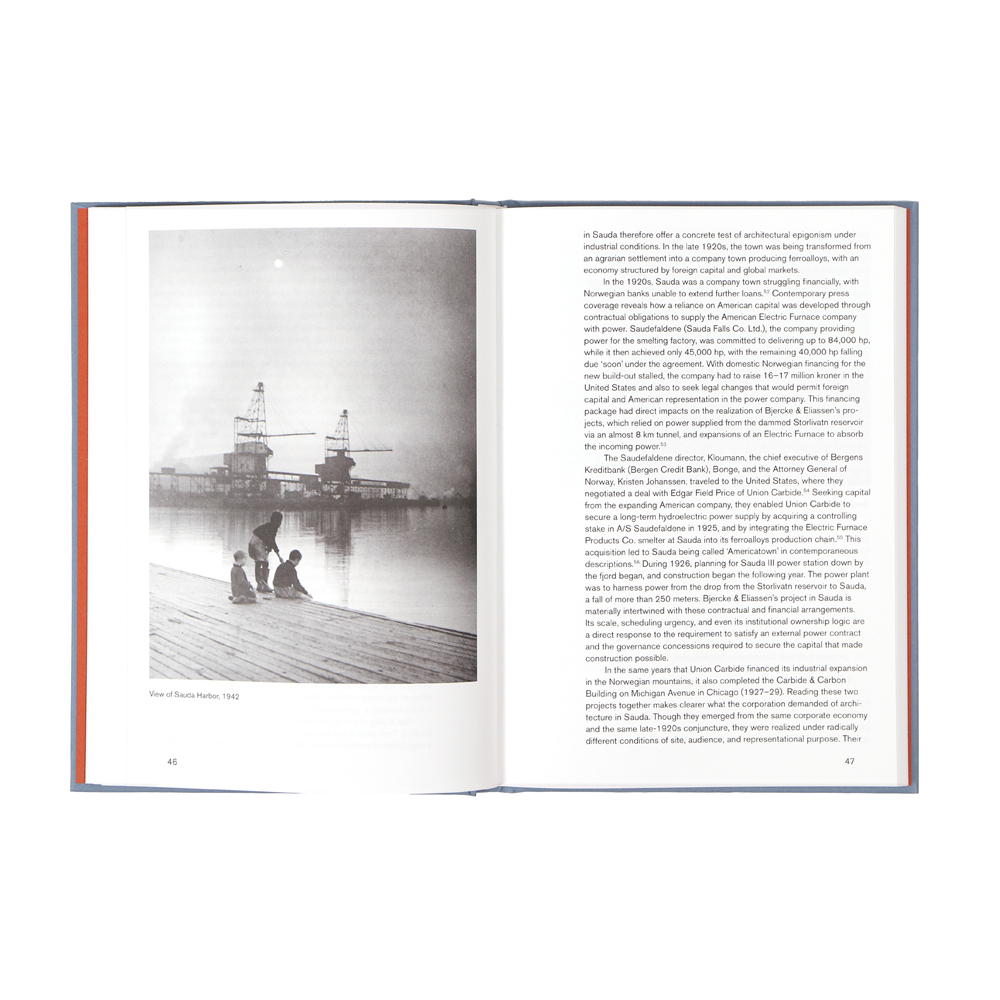
At the center of the book stands the hydroelectric power plant the office designed at Sauda in Ryfylke from 1927 onward, with the dam at Storlivatn, the pipeline down the mountainside, and the Sauda III power station by the fjord.
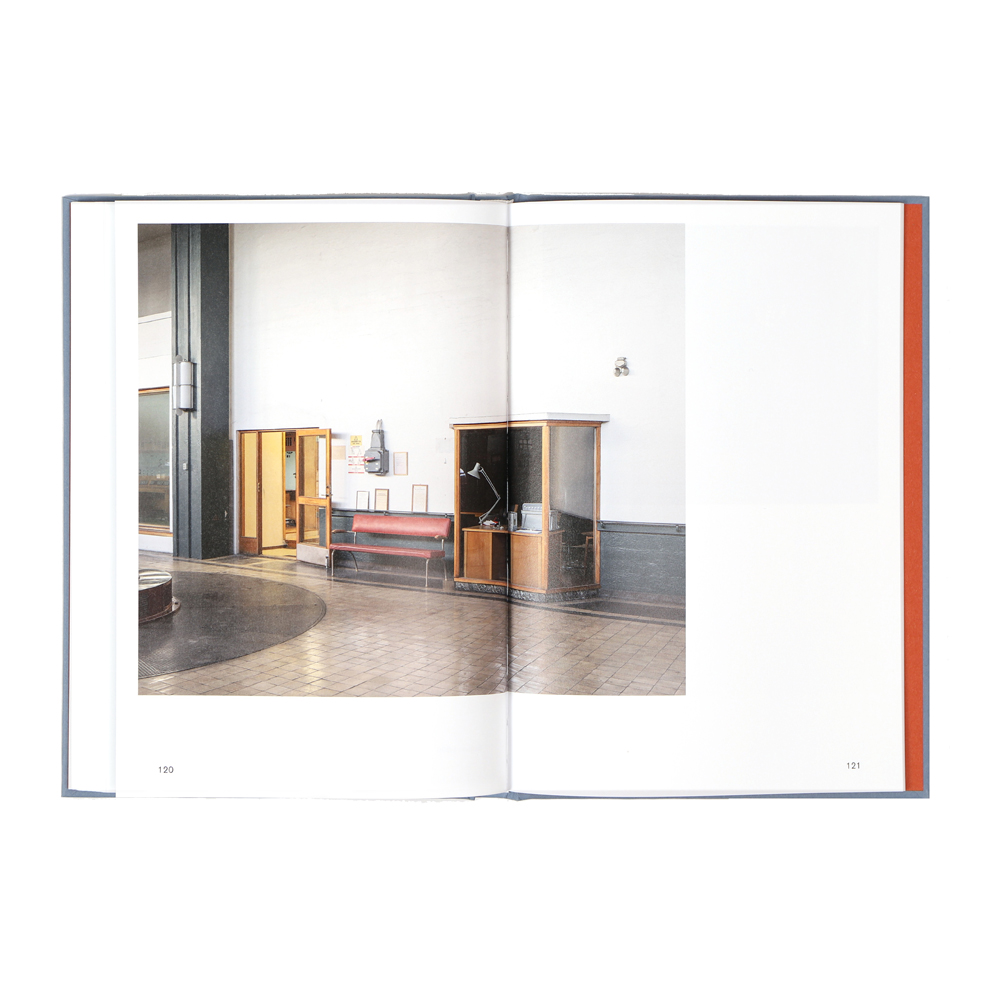
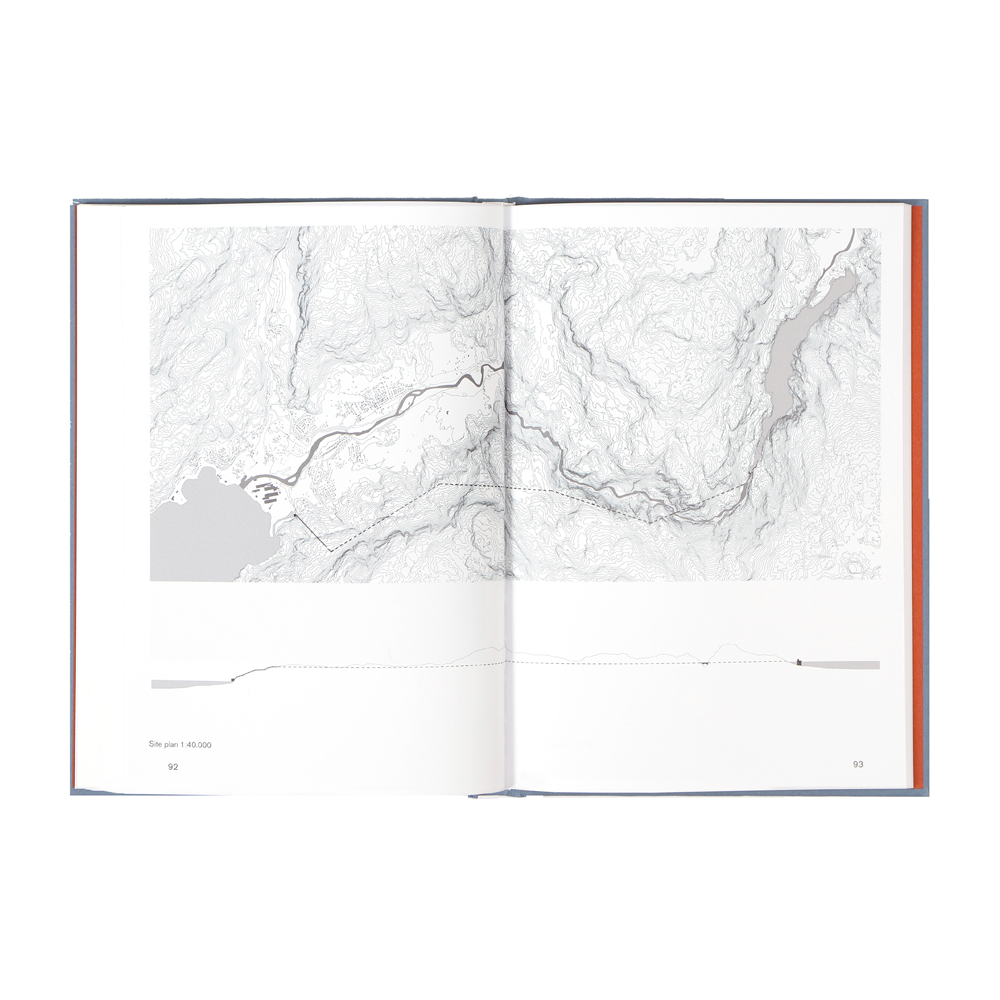
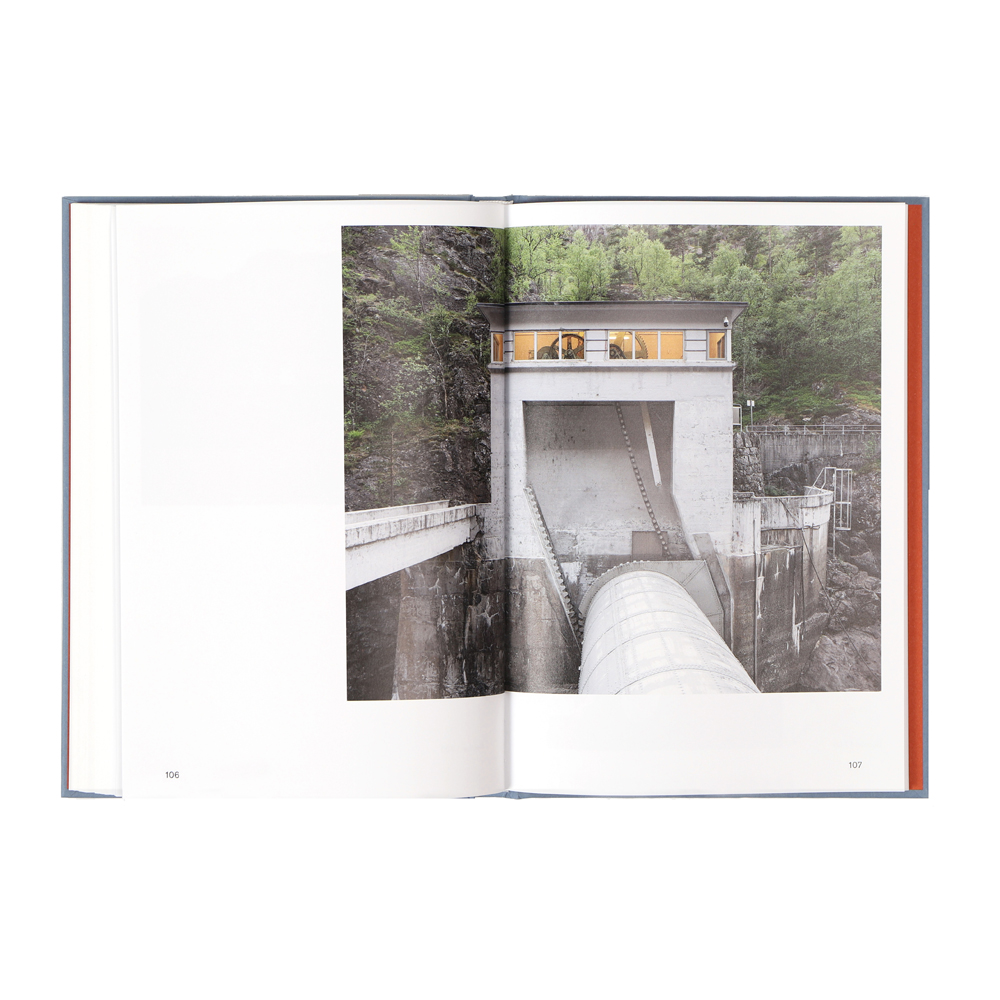
The essay by Espen Vatn is accompanied by a photographic essay by the Stockholm-based architect and photographer Johan Dehlin, who records the Sauda plant as it stands today, and by a new set of drawings of the dam, the pipeline, and the power station. The book closes with a radio interview recorded in 1961, in which the Swedish architectural historian Elias Cornell talks with Bjercke and Eliassen about their years with Östberg and the making of Stockholm City Hall. The interview appears here for the first time in English translation.
The book inlcudes a photo essay by Johan Dehlin
From the publisher:
Arkitektfaglig Presse publishes the first book devoted to the Oslo partnership Bjercke and Eliassen. The volume pairs a new essay by the architect Espen Vatn with a photographic essay by Johan Dehlin, a new set of drawings, and a 1961 interview with the two architects, published here in English translation.
At the center of the book stands the hydroelectric power plant the office designed at Sauda in Ryfylke from 1927 onward, with the dam at Storlivatn, the pipeline down the mountainside, and the Sauda III power station by the fjord.
The essay by Espen Vatn is accompanied by a photographic essay by the Stockholm-based architect and photographer Johan Dehlin, who records the Sauda plant as it stands today, and by a new set of drawings of the dam, the pipeline, and the power station. The book closes with a radio interview recorded in 1961, in which the Swedish architectural historian Elias Cornell talks with Bjercke and Eliassen about their years with Östberg and the making of Stockholm City Hall. The interview appears here for the first time in English translation.